
Table of Contents
What Does Maknae Mean in K-Pop? A Complete Guide for Fans
Introduction
If you’ve been diving into the colorful world of K-pop, chances are you’ve come across the word maknae more than once. Whether in interviews, variety shows, or fan discussions, idols are often introduced with this unique label. But what exactly does it mean? And why is it such an important part of K-pop culture?
The term maknae isn’t just a title; it carries a lot of meaning in Korean culture and in the dynamics of K-pop groups. In this article, we’ll break down what maknae means, how it’s used, and why fans adore the youngest members of their favorite groups.
What Does Maknae Mean?
Maknae (막내) is a Korean word that simply means “the youngest.” It’s not exclusive to the music industry — in everyday Korean, the term can describe the youngest sibling in a family, the youngest employee in a workplace, or even the youngest member of a friend group.
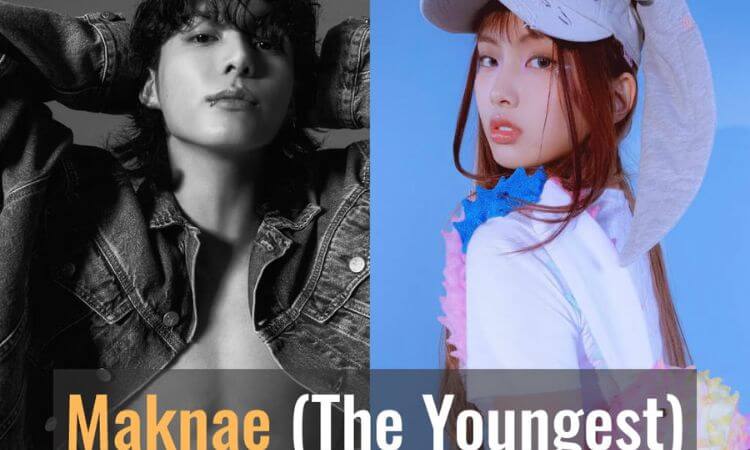
In K-pop, however, maknae refers to the youngest member of a group, regardless of gender. Whether it’s a boy group or a girl group, the maknae holds a special place in the team’s identity and fan culture.
DO NOT MISS: Hyunjin (Stray Kids) Girlfriend Rumors 2025: Everything We Know
The Role of a Maknae in K-Pop Groups
The maknae is often considered the “baby” of the group, not because they are treated like children, but because of the affectionate way older members interact with them. They are usually teased, protected, or doted upon by their older groupmates.
The role of the maknae can include:
- Bringing youthful energy: Their age naturally adds a sense of freshness and playfulness to the group.
- Creating balance: The contrast between the older and younger members often becomes a fun dynamic for fans to enjoy.
- Being the symbol of growth: Since most maknaes debut very young, fans watch them grow up both as individuals and as artists.
That said, not every maknae fits into the stereotypical mold of being innocent or playful. Some maknaes are surprisingly mature, while others take on bold, cheeky, or even mischievous roles within the group.
Types of Maknaes
Over the years, fans and the industry have categorized maknaes into different “types” based on their personalities and roles within the group:
- Golden Maknae
- A term used for a maknae who seems to excel at everything — singing, dancing, rapping, performing, and even variety shows.
- Example: Jungkook from BTS, often called the Golden Maknae because of his all-rounder talents.
- Evil Maknae
- Despite being the youngest, this type is known for playfully teasing and “bullying” their older members in a cheeky way.
- Example: Kyuhyun from Super Junior, famous for his witty and mischievous attitude toward his older groupmates.
- Shy or Quiet Maknae
- Some maknaes are more reserved and soft-spoken, letting their charm shine in subtle ways rather than through playful antics.
- Unexpectedly Mature Maknae
- These are maknaes who act older or more responsible than even the eldest members, earning the nickname “reverse maknae.”
This diversity shows that being a maknae is less about fitting a stereotype and more about how the youngest member interacts with their group and fans.
Famous Maknaes in K-Pop
The K-pop industry is filled with iconic maknaes who have left lasting impressions on fans worldwide. Here are a few notable ones:
- Jungkook (BTS): Known as the Golden Maknae, Jungkook is admired for his singing, dancing, visuals, and even artistic skills. His growth since BTS’s debut has been a major part of the group’s journey.
- Lisa (BLACKPINK): As the youngest in BLACKPINK, Lisa brings incredible charisma to the stage as a dancer and rapper. Despite being the maknae, she often exudes confidence and leadership on stage.
- Tzuyu (TWICE): The group’s youngest member, Tzuyu is beloved for her beauty and elegance. She also has a playful, shy side that fans adore.
- I.N (Stray Kids): The baby of the group, I.N is known for his unique personality, humor, and powerful vocals.
These maknaes prove that being the youngest doesn’t mean being overshadowed — in fact, many of them become the most popular faces of their groups.
Why Fans Love the Maknae
The maknae holds a special place in fans’ hearts, and for good reason:
- Adorable interactions: The way older members care for, tease, or protect the youngest is often heartwarming and entertaining.
- Growth journey: Fans get to witness maknaes mature from teenagers into adults, making their journey especially meaningful.
- Unique charm: Every maknae brings something different — whether it’s cuteness, talent, humor, or confidence.
Because of this, many fans naturally develop strong attachments to the maknae, celebrating their milestones and achievements along the way.
Maknae Line
While the maknae is the absolute youngest member, the term maknae line refers to the younger members of a group collectively.
For example:
- In BTS, the maknae line includes Jimin, V, and Jungkook.
- In TWICE, the maknae line includes Dahyun, Chaeyoung, and Tzuyu.
Fans often highlight the maknae line as the more playful, energetic part of the group, contrasting with the hyung line or unnie line (the older members).
Cultural Importance of Age in Korea
To truly understand why the maknae role matters, it helps to know how age hierarchy works in Korean culture.
- Respect for elders: Age is a significant factor in how people interact. Younger individuals use honorific language and show respect to older people.
- Siblings dynamic: Within groups, this hierarchy creates sibling-like relationships where the oldest might take on a “parental” role while the youngest is the “baby.”
- Social bonding: This system naturally makes the role of the maknae more noticeable and cherished.
In K-pop, this cultural element translates into strong group chemistry that fans love to see.
Fun Facts About Maknaes
- Some groups jokingly call older members “reverse maknaes” if they act younger than the actual youngest.
- Variety shows often highlight the maknae’s reactions or playful moments because of their cuteness factor.
- International fans sometimes adopt the term to describe the youngest person in their own friend groups or fan communities.
Conclusion
In K-pop, the word maknae goes far beyond simply meaning “the youngest.” It represents a cherished role filled with affection, playfulness, and growth. Whether they’re the Golden Maknae who seems good at everything, the cheeky Evil Maknae who teases their older siblings, or the quiet one who surprises fans with hidden charms, the maknae always leaves a lasting impression.
So, the next time you hear your favorite idol being called the maknae, you’ll know it’s more than just a title — it’s a role that adds warmth, laughter, and a special spark to the group.
Who’s your favorite K-pop maknae?
FAQs
Q: Is the maknae always the youngest in age?
Yes, the maknae is the member with the youngest birthdate in the group.
Q: Can there be two maknaes?
Technically no, since only one person can be the youngest. However, groups often celebrate the maknae line to include all the younger members together.
Q: What is a golden maknae?
A golden maknae is someone who’s talented in multiple areas and often stands out as an all-rounder in the group.
Q: Do maknaes always act cute or playful?
Not always! While many do, some maknaes are more mature, quiet, or even mischievous.