Table of Contents
Difference Between K-Drama & C-Drama
Asian dramas have taken the world by storm. Whether it’s the emotional rollercoaster of a K-Drama or the grand historical storytelling of a C-Drama, both have carved unique spaces in the entertainment world.
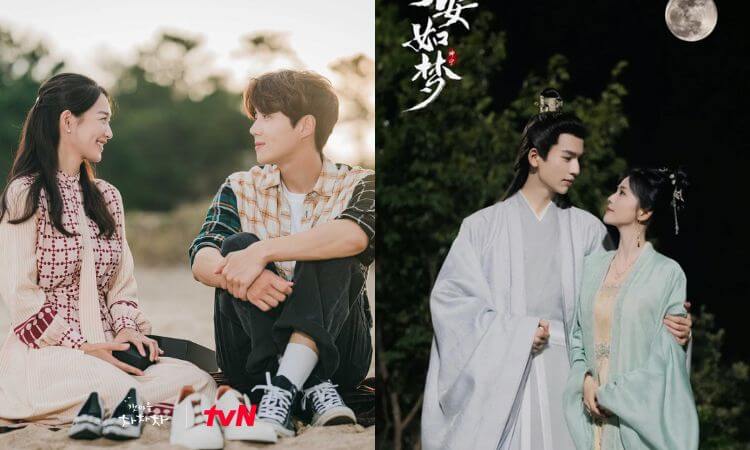
But what exactly sets them apart? Let’s explore 15 major differences between K-Dramas and C-Dramas, diving deep into their culture, storytelling, production, and global influence.
🎬 1. Origin, Industry, and Language
- K-Drama (Korean Drama):
Produced in South Korea, filmed primarily in Hangul (Korean). The K-Drama industry is supported by massive entertainment networks such as tvN, SBS, MBC, and Netflix Korea. It’s a core part of the Hallyu Wave, which promotes South Korean culture globally. - C-Drama (Chinese Drama):
Originates from Mainland China, filmed in Mandarin Chinese, though some regions use Cantonese or regional dialects. Major production companies include Tencent Video, iQIYI, Mango TV, and Youku. C-Dramas have strong government involvement and often include moral and cultural messages aligned with Chinese values.
🎭 2. Themes and Storytelling Approach
- K-Dramas:
Korean series excel in emotional realism and human-centered storytelling. They usually revolve around romance, friendship, identity, family conflicts, or social commentary.
Common genres include:- Romantic Comedy (Business Proposal)
- Fantasy (Goblin)
- Crime/Thriller (Vincenzo, Flower of Evil)
- Slice of Life (Reply 1988)
- C-Dramas:
Chinese dramas explore both ancient and modern worlds. Storylines are often philosophical, poetic, or historical, focusing on fate, loyalty, honor, and destiny.
Popular genres include:- Wuxia (Martial Arts Fantasy) – Nirvana in Fire
- Xianxia (Immortal/Fantasy Love) – Eternal Love (Ten Miles of Peach Blossoms)
- Modern Romance/Office Dramas – You Are My Glory, Love Between Fairy and Devil
DO NOT MISS: 10 Best Chinese Dramas to Watch in 2025
⏱️ 3. Episode Count and Duration
- K-Dramas:
Typically 12–20 episodes, each around 60–80 minutes. The shorter structure helps maintain tight pacing and emotional consistency without filler episodes. - C-Dramas:
Usually 30–60 episodes, each 40–45 minutes long. While this allows detailed character development, it can lead to slow pacing or repetitive scenes. However, fans enjoy the depth and complexity that come with longer arcs.
💞 4. Romantic Expression and Chemistry
- K-Dramas:
Known for subtle, slow-burn romances — longing gazes, emotional tension, and meaningful dialogues. Physical affection (like kissing scenes) is often limited but impactful. The emotional connection between characters is the focus. - C-Dramas:
Romance can be poetic, intense, and fantasy-driven. Many historical romances use symbolism and reincarnation to express eternal love. Modern Chinese romances are becoming more realistic and direct, though still modest compared to Western shows.
🎨 5. Visuals, Fashion, and Aesthetic Style
- K-Dramas:
Sleek, modern visuals with a strong focus on urban settings, fashion trends, and cinematic camera work. Directors often use pastel tones, soft lighting, and detailed emotional close-ups to create a film-like atmosphere. - C-Dramas:
Known for vibrant color palettes, elaborate costumes, and grand historical sets. Especially in period dramas, the costume design reflects dynastic authenticity — from Tang to Qing styles. Visuals are rich, ornamental, and full of cultural detail.
🎵 6. Soundtrack and Emotional Impact
- K-Dramas:
Music is central to Korean storytelling. OSTs (Original Soundtracks) are used to heighten emotions, and many become global chart hits.- 🎶 “Stay With Me” – Goblin
- 🎶 “Sweet Night” – Itaewon Class
- C-Dramas:
Chinese OSTs feature traditional instruments (like the guzheng and erhu) alongside modern production. Lyrics are often poetic and full of symbolism.- 🎶 “Wuji” – The Untamed
- 🎶 “Unstoppable Sun” – You Are My Glory
🕊️ 7. Cultural Representation
- K-Dramas:
Reflect modern South Korean society — from competitive work culture to gender roles, education pressure, and family ties. Even fantasy stories often include real-world lessons about empathy, self-worth, and resilience. - C-Dramas:
Heavily influenced by Confucian values — emphasizing duty, morality, and family honor. Historical C-Dramas highlight virtues like loyalty, respect, and the balance between fate and free will.
⚔️ 8. Historical and Fantasy Settings
- K-Dramas (Sageuk):
Focused mainly on the Joseon Dynasty, combining real historical figures with fictional plots. They emphasize court politics, love, betrayal, and power struggles.- Examples: Mr. Queen, The Moon Embracing the Sun
- C-Dramas (Xianxia/Wuxia):
Blend mythology, martial arts, immortality, and reincarnation. They often include heavenly realms, spirit beasts, and cultivation energy systems (Qi).- Examples: Ashes of Love, Love Between Fairy and Devil
🎥 9. Production Scale and Visual Effects
- K-Dramas:
Focus on realism, atmosphere, and subtle visual effects. The attention to lighting, framing, and tone gives each scene cinematic beauty. - C-Dramas:
Known for large-scale sets, CGI-heavy fantasy scenes, and traditional architecture recreations. Budget allocation often goes into costume design and expansive landscapes.
💬 10. Dialogue and Acting Style
- K-Dramas:
Acting is naturalistic, emotional, and expressive. Dialogues are simple, modern, and relatable — perfect for international audiences. - C-Dramas:
Acting varies depending on the genre. Historical and fantasy dramas often use formal, poetic dialogue, while modern ones are more casual. Expressions are more dramatic and theatrical, emphasizing moral lessons.
🌍 11. Global Reach and Audience
- K-Dramas:
Have achieved global dominance, particularly in the U.S., Europe, and Southeast Asia. Thanks to platforms like Netflix, Disney+, and Viki, K-Dramas have become cultural exports loved worldwide. - C-Dramas:
Enjoy immense popularity across Asia, the Middle East, and Latin America. With streaming platforms like iQIYI, Youku, and Viki, more viewers are discovering Chinese storytelling.
🧠 12. Government Influence and Censorship
- K-Dramas:
Creators have significant creative freedom, though they still face cultural sensitivity checks. Controversial topics (like religion or politics) are handled delicately. - C-Dramas:
Strict censorship policies guide what can be shown, especially regarding violence, supernatural elements, and moral conduct. As a result, romantic or fantasy scenes are often symbolically portrayed rather than direct.
🕰️ 13. Pacing and Story Flow
- K-Dramas:
Fast-paced, emotionally charged, and concise. Most stories build tension early and deliver a satisfying ending without dragging. - C-Dramas:
Slower pacing allows for character development and world-building. However, it may test the patience of viewers used to fast-moving plots.
📅 14. Popularity Trends in 2025
In 2025, K-Dramas continue leading global streaming charts, with massive hits like Queen of Tears and The 8 Show.
Meanwhile, C-Dramas are catching up — fantasy epics like The Legend of Shen Li and Lost You Forever have gained massive international followings.
💎 15. Fan Community and Global Fandom
- K-Drama Fans:
Highly active on social media, with fan communities across Twitter (X), Reddit, and YouTube. They share OSTs, edits, and reviews. - C-Drama Fans:
Growing global fanbase, especially for Wuxia and fantasy lovers. Online communities on Weibo, Discord, and Reddit discuss episodes and translations, helping spread awareness of Chinese entertainment worldwide.
💡 Conclusion: Which One Should You Watch?
If you prefer:
- ✨ Emotional, short, modern stories → Watch K-Dramas
- 🏯 Epic, poetic, historical fantasy tales → Watch C-Dramas
Both industries are evolving rapidly, offering more diverse stories than ever before. In the end, the best choice depends on your mood — whether you crave the realistic emotions of Seoul or the mythical charm of ancient China.
❓ FAQs About K-Drama vs C-Drama
- Which is more romantic, K-Drama or C-Drama?
K-Dramas are more focused on emotional intimacy and slow-burn love stories, while C-Dramas often feature poetic or destiny-driven romances. - Why are C-Dramas so long?
They include more characters, political subplots, and detailed world-building, especially in historical or fantasy genres. - Are K-Dramas more popular worldwide?
Yes. Due to the Hallyu wave and strong marketing, K-Dramas currently have greater global reach — but C-Dramas are quickly growing internationally. - Which platform is best for watching K-Dramas and C-Dramas?
- K-Dramas: Netflix, Viki, Disney+, and Kocowa
- C-Dramas: iQIYI, Youku, Tencent Video, and Viki
- Can I learn the language by watching dramas?
Yes! Both are great tools for language learning — K-Dramas for Korean pronunciation and tone, and C-Dramas for improving Mandarin vocabulary.