Table of Contents
What Does Hwaiting Mean in Korean?
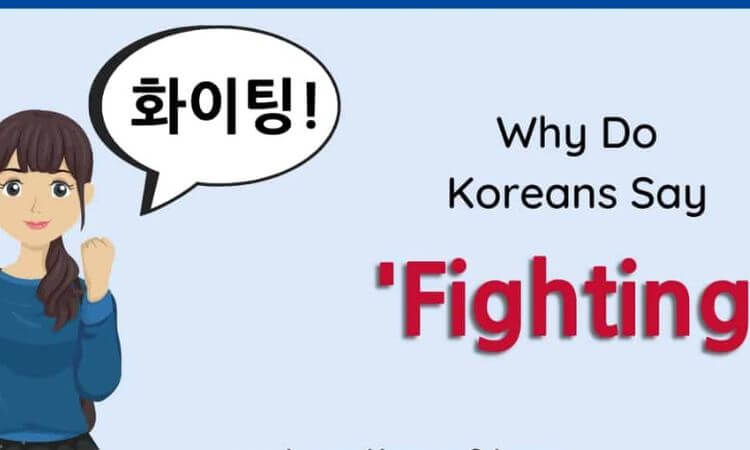
If you’re a fan of K-dramas, K-pop, or Korean culture, you’ve probably come across the energetic cheer “Hwaiting!” shouted before an important event, exam, or concert. It’s a word filled with motivation and positivity, but for those new to Korean culture, it may be confusing since it looks like the English word fighting.
So, what does hwaiting actually mean in Korean? Let’s dive deeper into its meaning, origin, cultural significance, and how you can use it in everyday life.
The Meaning of “Hwaiting”
In Korean, 화이팅 (hwaiting) is an expression of encouragement, support, or motivation. It doesn’t mean physical fighting—it’s closer to saying:
- “You can do it!”
- “Good luck!”
- “Stay strong!”
- “Don’t give up!”
It’s a cheer that lifts people up, helps them stay motivated, and reminds them they are not alone.
DO NOT MISS: What Does Sasaeng Mean in K-Pop? Everything You Need to Know
The Origin of the Word
“Hwaiting” comes from the English word fighting, but Koreans gave it their own twist. Instead of aggression, it symbolizes positivity and encouragement.
This adaptation is similar to how Japanese people use faito (ファイト), also borrowed from English, but meaning “Do your best!” rather than “fight.”
The Korean twist on the word shows how language borrowing can take on new cultural meanings that differ from the original.
When Do Koreans Use “Hwaiting”?
Koreans use hwaiting in many situations where motivation is needed. Some common examples include:
- Before Exams or Tests
- Students cheer each other on: “시험 잘 봐! 화이팅!” (Good luck on your test! You got this!)
- At Work or School Projects
- Co-workers motivate each other during stressful deadlines.
- In Sports or Competitions
- Coaches, teammates, and fans use it to boost energy before a big game.
- During Difficult Life Situations
- Friends and family say it when someone is going through a tough time.
- K-Pop and Entertainment
- Idols use it to cheer on fans and themselves before performances.
- Variety shows often use it to create fun, energetic vibes.
Variations of “Hwaiting”
Though 화이팅 (hwaiting) is the most common spelling, you may also see variations depending on tone, age group, or even just personal preference.
📊 Comparison Table: Hwaiting vs Paiting vs Hwatting
| Version | Hangul Spelling | Pronunciation | Context/Use | Meaning Difference |
| Hwaiting | 화이팅 | hwa-ee-ting | Most common version used in everyday speech, dramas, and media | Standard, neutral form |
| Paiting | 파이팅 | pa-ee-ting | Often seen in written texts, younger generation use, closer to English “fighting” | Same meaning, slightly trendier |
| Hwatting | 홧팅 | hwa-tting | Playful or cute version, often used in texting or among friends | Same meaning, more casual/fun tone |
👉 All three mean the same thing—“cheer up,” “do your best,” or “good luck.” The difference is mostly style and context.
Cultural Significance of “Hwaiting”
“Hwaiting” is more than just a cheer—it reflects a deep part of Korean culture. In Korea, community support and collective encouragement are very important. Saying hwaiting is a way of sharing strength and reminding someone that they’re not alone.
- Unity: It creates a bond between people—whether friends, classmates, co-workers, or fans and idols.
- Resilience: It represents the Korean spirit of perseverance, especially during hard times.
- Positivity: It spreads optimism and hope in everyday life.
This is why you’ll hear it so often in K-dramas, K-pop concerts, sports matches, and even workplaces.
Examples of “Hwaiting” in Pop Culture
- K-Dramas
- Characters say it before exams, competitions, or life-changing decisions.
- Example: A friend cheering another before confessing love or applying for a job.
- K-Pop Idols
- Groups like BTS, BLACKPINK, SEVENTEEN, and EXO shout “Hwaiting!” to energize fans before concerts.
- Fans also reply with “Hwaiting!” as a form of love and support.
- Variety Shows
- Cast members often shout “Hwaiting!” to pump each other up during games, challenges, or funny segments.
How to Use “Hwaiting” Yourself
If you want to use hwaiting correctly, here’s how:
- Say it with energy and positivity. It should sound cheerful, never angry.
- Use it in encouraging contexts. Example: before an exam, job interview, or performance.
- Make it personal. Add someone’s name: “Mary hwaiting!”
- Use it in writing. In texts, posts, or comments, it’s common to write “화이팅” to cheer on friends or idols.
Quick Summary
- Meaning: Encouragement, cheer, or motivation. Equivalent to “You can do it!”
- Origin: Borrowed from English “fighting,” but with a positive twist.
- Uses: Before exams, competitions, performances, challenges, or daily struggles.
- Cultural Value: Symbol of unity, positivity, and resilience in Korean culture.
- Variations: Hwaiting, Paiting, Hwatting—all mean the same, but with stylistic differences.
FAQs About “Hwaiting”
1. Does “Hwaiting” really mean “Fighting”?
No. While it comes from the English word “fighting,” in Korean it means “cheer up,” “do your best,” or “good luck.” It has nothing to do with physical fighting.
2. Is “Hwaiting” formal or informal?
It’s generally informal and casual, used among friends, classmates, teammates, and fans. However, it’s widely understood in all contexts, including workplaces and media.
3. Can foreigners use “Hwaiting”?
Yes! Koreans appreciate when foreigners use it correctly. Just remember to use it in positive, supportive situations.
4. Which is more common—Hwaiting or Paiting?
Both are common, but 화이팅 (hwaiting) is slightly more popular. 파이팅 (paiting) is also widely used, especially among younger people and in written form.
5. Why do K-pop idols always say “Hwaiting”?
K-pop idols use it to cheer themselves and their fans, creating a bond of motivation and energy before performances or during fan interactions
Conclusion
The Korean word “Hwaiting” is more than just a borrowed English term—it’s a cultural expression filled with positivity, motivation, and shared strength. It reflects the Korean values of community support, resilience, and encouragement.
Whether it’s in K-dramas, concerts, or daily conversations, hwaiting is a powerful cheer that unites people and spreads hope. So next time you need to encourage a friend—or yourself—try saying:
👉 “Hwaiting!” 💪