
Table of Contents
What Does Sunbae Mean in K-Dramas? Explained Simply
Introduction
If you are a K-drama fan, you have likely heard the word “sunbae” multiple times. Whether it’s in school settings, workplace dramas, or idol training stories, characters often call someone sunbae. But what does this term really mean? Why do K-dramas highlight it so much?
In this article, we’ll break down the meaning of sunbae, how it’s used in Korean society, why it’s important in dramas, and even look at public opinions from fans worldwide. By the end, you’ll not only know what it means but also understand the cultural depth behind it.
What Does Sunbae Mean in K-Dramas?
The Korean word sunbae (선배) literally means “senior.” It refers to someone who has more experience than you in a specific field, such as school, university, work, or even in the entertainment industry.
When you hear a character calling another sunbae, it usually means that the person they are addressing:
- Is older in experience (not necessarily age).
- Has been at the school, workplace, or profession longer.
- Deserves respect because of their position.
👉 In simple terms, sunbae means senior colleague or senior student.
Sunbae Quick Reference Table
| Term | Meaning | Opposite | Common Usage | Example in K-Dramas |
| Sunbae (선배) | Senior (experience-based) | Hoobae (junior) | School, workplace, entertainment | True Beauty – Seo-jun as Ju-kyung’s sunbae |
| Hoobae (후배) | Junior (less experienced) | Sunbae | Used by seniors for juniors | Start-Up – New employees as hoobae |
| Oppa (오빠) | Older brother/close older male | N/A | Women to older men (friends/romance) | Boys Over Flowers – Jan-di calls Jun-pyo oppa |
| -nim (님) | Honorific suffix for respect | N/A | Added for formality (sunbae-nim) | Used in idol/entertainment settings |
This table gives you a clear and simple snapshot of what sunbae means and how it fits into Korean honorifics.
Sunbae vs. Oppa: What’s the Difference?
K-dramas often use multiple honorifics, and many fans confuse sunbae with oppa. But they are different:
- Sunbae → Based on experience/seniority in a specific field.
- Oppa (오빠) → Means older brother but is also used by women to address older men they are close to.
So, you might call someone your sunbae at work, but if he’s also older and you’re close to him, you might use oppa.
DO NOT MISS: Tiffany Tang and Liu Xueyi Bring Surprising Chemistry and Emotional Depth to A Moment But Forever
Where You Hear Sunbae in K-Dramas
You’ll find the term in many K-dramas. Here are some examples:
- School Dramas – Students call upperclassmen sunbae.
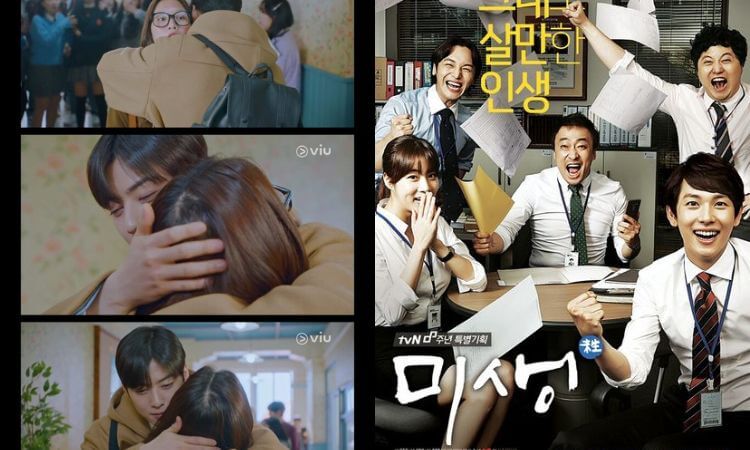
- Example: In True Beauty, Ju-kyung calls Seo-jun her sunbae since he is her senior in school.
- Workplace Dramas – New employees call seniors sunbae.
- Example: In Misaeng, junior office workers often call their more experienced colleagues sunbae.
- Idol/Entertainment Dramas – Rookie idols call established singers or actors sunbae-nim (with extra respect).
- Example: In Dream High, trainees use sunbae when addressing senior idols.
- Romantic Comedies – Sometimes used playfully between couples when they meet in school or work.
- Example: In Extraordinary You, Ha-ru is often referred to as a sunbae by juniors.
Why Is Sunbae Important in Korean Culture?
Korean culture is deeply influenced by Confucian values that emphasize hierarchy, respect, and social order. Words like sunbae show respect and acknowledge someone’s seniority.
- It helps maintain harmony in schools and workplaces.
- It prevents juniors from speaking too casually to seniors.
- It builds mentor-mentee relationships.
In dramas, it highlights not just the language but also the emotional bond between characters. Often, calling someone sunbae can show admiration, hidden love, or even rivalry.
Cultural Nuances of Sunbae
Beyond the literal meaning, the way sunbae is spoken can change its impact:
- Formal Sunbae-nim (선배님): Used in very polite settings, especially by rookies addressing famous seniors.
- Casual Sunbae: Among friends or classmates, it can sound lighter and more personal.
- Flirty Sunbae: In romance dramas, when a character calls someone “Sunbae~” with a soft tone, it often signals affection or admiration.
Public Opinion: How Fans See the Word “Sunbae”
K-drama fans around the world have mixed but interesting views about sunbae:
- Positive Opinions
- Many international fans love how respectful Korean culture is.
- Fans say terms like sunbae make dramas feel authentic and culturally rich.
- Some viewers even adopt the word in fan communities to address seniors.
- Confused Opinions
- New fans often confuse sunbae with oppa.
- Some think it simply means “senior in age,” when in reality, it’s about experience.
- Neutral Opinions
- Some viewers feel subtitles don’t fully capture the cultural meaning of sunbae.
- A few fans say that while it’s nice, they prefer characters using personal names.
On social media platforms like Twitter, Reddit, and TikTok, you’ll find fans debating the word sunbae in discussions about favorite K-drama characters.
How to Use Sunbae in Real Life
If you ever visit Korea or interact with Koreans, here’s how you can use sunbae correctly:
- In School:
- First-year student → Calls second-year student sunbae.
- In Workplace:
- A new employee → Calls an experienced employee sunbae.
- In Entertainment:
- Rookie idols/actors → Address seniors as sunbae-nim (adding -nim makes it extra polite).
⚠️ Remember: It’s not based only on age, but on who entered the field first.
Sunbae in Popular K-Dramas
Here are some dramas where you’ll notice the frequent use of sunbae:
- True Beauty (2020–2021)
- Misaeng: Incomplete Life (2014)
- Start-Up (2020)
- Dream High (2011)
- Extraordinary You (2019)
- Twenty-Five Twenty-One (2022) – where seniors in fencing and school life use sunbae.
- While You Were Sleeping (2017) – workplace dynamics highlight juniors and seniors.
In each, the use of sunbae adds depth to character dynamics and relationships.
Common Misunderstandings About Sunbae
Many K-drama fans misunderstand the word sunbae. Here are the most common:
- It’s not the same as Oppa. Oppa is about age/gender closeness; sunbae is about experience.
- It doesn’t mean teacher. That’s seonsaeng-nim.
- It’s not always formal. Friends can use sunbae playfully, too.
- It doesn’t always indicate romance. Sometimes it’s purely respectful.
FAQs
Q1: What does sunbae mean in K-dramas?
A1: Sunbae means senior in school, work, or any profession. It shows respect for someone with more experience.
Q2: What’s the difference between sunbae and oppa?
A2: Sunbae refers to a senior in experience, while oppa means older brother or an older male friend/boyfriend (used by women).
Q3: Is sunbae gender-specific?
A3: No. Both men and women can be called sunbae.
Q4: What is the opposite of sunbae?
A4: The opposite is hoobae (후배), meaning junior.
Q5: Do Koreans still use sunbae in everyday life?
A5: Yes. It’s commonly used in schools, workplaces, and entertainment industries.
Q6: Why don’t subtitles translate sunbae directly?
A6: Because English doesn’t have a direct equivalent. Subtitles often use “senior,” but it misses the cultural nuance.
Conclusion
So, what does sunbae mean in K-dramas? In simple words, it means senior—someone with more experience in a school, workplace, or career. It’s not just a title; it’s a cultural marker that highlights respect, mentorship, and relationships in Korean society.
Next time you watch a drama and hear sunbae, you’ll know it’s more than just a word—it reflects Korea’s culture of hierarchy and respect.