
Table of Contents
Foldable Phones vs Flagships: Which to Buy in 2026?
The smartphone world is evolving faster than ever, and one of the biggest debates in 2026 revolves around Foldable Phones vs Flagships. Should you invest in a futuristic foldable device that bends and transforms, or should you stick with a traditional flagship that guarantees performance, durability, and consistency?
Both categories represent the best that mobile technology has to offer. Foldables are redefining what a phone can be, combining the portability of a smartphone with the functionality of a tablet. On the other hand, flagships are refined, reliable, and powerful — the result of years of technological perfection.
This guide will break down every major difference between foldable phones and traditional flagship smartphones, their advantages and drawbacks, and ultimately help you decide which one truly deserves your money in 2026.
What Are Foldable Phones and Flagships?
Before diving into the comparison, it’s important to understand what these two categories represent.
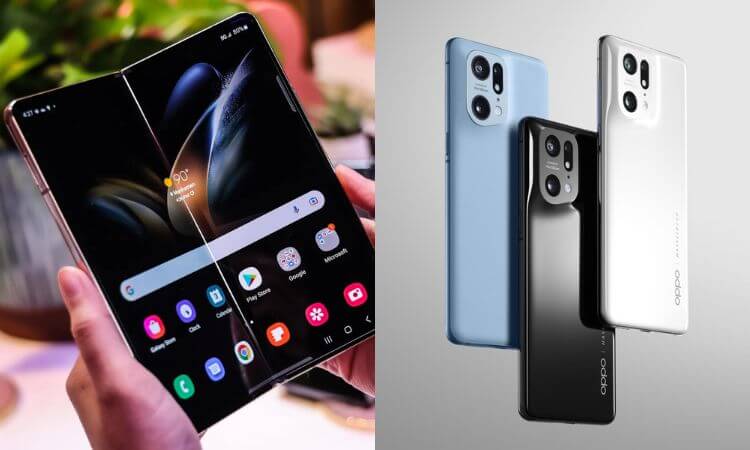
- Foldable Phones feature flexible displays that allow them to bend or fold. They come in two main designs:
- Book-style foldables (like Samsung Galaxy Z Fold 6 or OnePlus Open) open horizontally like a book.
- Flip-style foldables (like Galaxy Z Flip 6 or Motorola Razr 50 Ultra) fold vertically like a classic flip phone.
- Flagship Phones, on the other hand, are premium non-folding smartphones that pack top-tier performance, camera systems, and software support. Examples include iPhone 15 Pro Max, Samsung Galaxy S24 Ultra, and Google Pixel 9 Pro.
Both types aim at high-end users but cater to different needs and lifestyles.
DO NOT MISS: Google Pixel Fold 2 Leak: Bigger Battery & Camera Upgrade
Why Foldable Phones Are Game-Changers
1. Bigger Screen, Better Multitasking
Foldable phones can transform from a compact device to a mini tablet, offering a large display for watching videos, browsing, or even working on documents. The multitasking experience is unmatched — you can run multiple apps side-by-side or use one half of the screen for typing and the other for video calls.
For instance, the OnePlus Open and Samsung Galaxy Z Fold 6 offer screens over 7 inches when unfolded — providing tablet-like productivity while still fitting into your pocket.
2. Style and Innovation Factor
Owning a foldable phone is still a statement of being ahead of the curve. These devices look futuristic and offer a “wow” factor every time you unfold them. If you love being among the first to experience new technology, a foldable is a great pick.
3. Compact Yet Powerful
Flip-style foldables, such as the Galaxy Z Flip series, are compact when folded and open into full-sized smartphones. This makes them perfect for users who want smaller, pocket-friendly devices without compromising screen size.
4. Enhanced Productivity
Foldables are ideal for multitasking professionals. Whether it’s editing documents, attending meetings, or reading reports, you can easily use multiple windows at once — something traditional flagships can’t do as effectively.
Where Foldables Still Fall Short
1. Durability Concerns
Despite improvements, foldables remain more fragile than standard flagships. Their hinges and flexible screens are vulnerable to dust, scratches, and wear over time. Even a small amount of debris can affect the folding mechanism.
2. Visible Crease and Screen Issues
Most foldable displays still show a crease where the screen folds. While newer models have reduced it, it’s noticeable under bright light and can affect the viewing experience for some users.
3. Battery and Weight Trade-offs
Foldables often have smaller batteries to fit within their complex designs. The larger screens also consume more power, leading to shorter battery life compared to traditional flagships. They are also heavier and thicker when folded.
4. Higher Price Point
Foldable technology is still relatively new and expensive. A premium foldable can cost $1,500–$2,000 or more, while top-tier flagships start around $900–$1,200 with similar or better performance in many aspects.
Why Flagships Still Reign Supreme
1. Proven Reliability
Traditional flagship smartphones are refined and tested over many generations. With fewer moving parts, they’re sturdier, lighter, and less prone to physical failure.
2. Best-in-Class Cameras
Flagship phones dominate in camera technology. Devices like the iPhone 15 Pro Max and Galaxy S24 Ultra offer advanced image processing, telephoto zooms, and sensor performance that still outshine most foldables.
3. Longer Battery Life and Efficiency
Flagships usually come with larger batteries and better power management. Paired with efficient processors, they can last a full day of heavy use with ease — something most foldables still struggle with.
4. Better Value for Money
Because they don’t require expensive hinges or flexible screens, flagship smartphones offer more performance per dollar. You can get an equally powerful device for less than the price of a foldable.
5. Software Optimization
Most apps are designed for traditional smartphone screens. Foldables sometimes face issues where apps don’t resize properly or crash when switching between folded and unfolded modes. Flagships rarely face such problems.
Side-by-Side Comparison: Foldables vs Flagships
| Feature | Foldable Phones | Flagship Phones |
| Design & Build | Flexible displays with hinges; futuristic | Classic glass/metal design; sturdy |
| Display | Larger screen when unfolded | Static screen but higher brightness & durability |
| Performance | Powerful, but sometimes thermally limited | Top-tier performance with better heat control |
| Camera | Good, but usually not top-notch | Exceptional camera quality & processing |
| Battery Life | Moderate due to dual screens | Longer and more consistent battery life |
| Durability | Fragile hinge and crease risk | Highly durable and dust-resistant |
| Price | Expensive ($1,500–$2,000) | More affordable ($800–$1,200) |
| Software | Still improving for foldable displays | Fully optimized, stable experience |
| Portability | Flip models compact; Fold models bulky | Slim and lightweight |
| “Wow” Factor | High – futuristic look and feel | Moderate – traditional design perfected |
Who Should Buy a Foldable Phone?
- Tech Enthusiasts: You love experimenting with the latest tech trends.
- Content Consumers: You stream videos, read, or multitask often.
- Professionals: You need multiple apps open at once for productivity.
- Stylish Users: You want a phone that stands out from the crowd.
If you fit any of these categories and can handle the premium cost and slight durability risk, a foldable phone will feel revolutionary.
Who Should Stick with a Flagship?
- Photographers & Content Creators: You prioritize camera quality above all.
- Heavy Users: You need a long-lasting battery and stable performance.
- Value Seekers: You want the best features for your money.
- Everyday Users: You prefer something simple, durable, and easy to use.
If you want a device that’s fast, reliable, and built to last, a traditional flagship is still the most practical option.
2026 Market Trends
- Foldables Are Becoming Mainstream: More brands like Honor, OnePlus, Xiaomi, and Vivo are entering the foldable market, making prices more competitive.
- Durability Is Improving: New hinge designs and stronger ultra-thin glass are reducing screen creases and improving longevity.
- Flagships Are Smarter: AI-driven cameras, better energy efficiency, and longer software support make them more future-proof.
- Prices Are Converging: As foldables mature, the price gap between them and flagships is slowly shrinking.
Conclusion
So, Foldable Phones vs Flagships — which should you buy in 2026?
If you’re excited by innovation, want a big screen for productivity, and don’t mind paying a premium, go for a foldable phone. The experience feels futuristic and offers flexibility that standard phones can’t match.
However, if you prefer reliability, better cameras, stronger battery life, and long-term value, then a traditional flagship remains the smarter and safer choice for most users.
Ultimately, it depends on your lifestyle and priorities — innovation versus practicality. Both categories are excellent, but flagships are still the most balanced choice for everyday users, while foldables lead the way for those who love cutting-edge tech.
FAQs
1. Are foldable phones durable enough for daily use?
Modern foldables have improved a lot, but they still require extra care compared to flagships. Newer models use stronger hinges and protective coatings, but they’re not as rugged as non-folding phones.
2. Do foldable phones have good cameras?
Yes, but most still lag slightly behind flagship phones in image processing and telephoto capabilities. Foldables focus more on form factor innovation than top-tier camera hardware.
3. Which phone lasts longer — foldable or flagship?
Flagships generally last longer due to their simpler construction and longer battery cycles. Foldables may need hinge maintenance or screen replacements after extended use.
4. Are foldable phones worth their high price?
If you value innovation, versatility, and a larger screen, then yes — they’re worth it. But if you only need performance and durability, flagships offer better value at lower prices.
5. Will foldable phones replace flagships in the future?
Not anytime soon. While foldables are gaining popularity, traditional smartphones remain more affordable, durable, and user-friendly. Both will likely coexist for several years.