
Table of Contents
Best Smart Home Devices to Buy in 2025
The world of smart homes has grown from a futuristic dream into an everyday reality. In 2025, smart home devices are no longer luxury items for tech enthusiasts; they have become essential tools for convenience, security, energy efficiency, and entertainment. Whether you want to automate daily tasks, enhance safety, or simply make your life easier, there are plenty of options available to upgrade your home.
In this guide, we will explore the 20 best smart home devices to buy in 2025. These gadgets are timeless, meaning they will continue to stay relevant for years to come, regardless of specific brands or trends. From smart lighting to intelligent security systems, these devices can transform your house into a connected, efficient, and future-ready home.
1. Smart Speakers and Voice Assistants
A smart speaker is the foundation of most smart homes. Equipped with AI voice assistants, these devices allow you to control other gadgets, set reminders, play music, and even answer questions—all with a simple voice command. In 2025, smart speakers have become more natural in conversation and capable of managing complex tasks, making them an indispensable hub for your home.
2. Smart Lighting Systems
Smart bulbs and lighting systems give you full control over brightness, color, and scheduling. You can program them to turn on when you arrive home, dim during movie nights, or gradually brighten in the morning to act as a natural alarm clock. Many systems now support motion detection and energy monitoring, reducing both electricity bills and environmental impact.
3. Smart Thermostats
Smart thermostats are among the most energy-saving devices for any home. These gadgets learn your heating and cooling habits, adjust automatically to save energy, and can be controlled from anywhere via smartphone. With rising energy costs in 2025, a smart thermostat is one of the best investments for efficiency and comfort.
DO NOT MISS: Amazon Alexa Update Brings Smarter AI Features
4. Smart Security Cameras
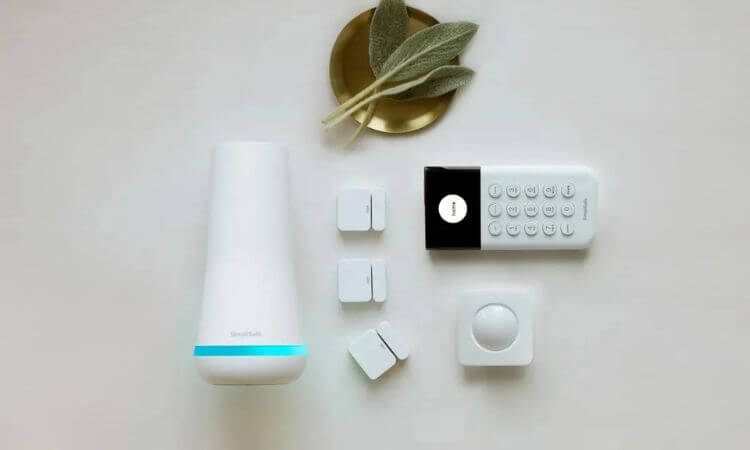
Home security is a top priority, and smart cameras provide real-time video monitoring, motion detection, and alerts directly to your phone. Modern models feature AI recognition to differentiate between people, pets, and vehicles, minimizing false alarms. They can be installed indoors or outdoors and often integrate seamlessly with other smart security systems.
5. Video Doorbells
A smart video doorbell adds an extra layer of safety by letting you see and speak to visitors remotely. Whether you are at work or on vacation, you can monitor your doorstep in real time. In 2025, many video doorbells also include package detection to prevent theft, along with facial recognition features for trusted visitors.
6. Smart Locks
Say goodbye to traditional keys with smart locks. These devices let you unlock your door with your phone, fingerprint, or even voice command. They can also generate temporary codes for guests, cleaners, or delivery services, providing both convenience and improved security.
7. Smart Plugs
Smart plugs are one of the most affordable ways to make your home “smart.” They allow you to control any plugged-in device remotely, set schedules, or monitor energy consumption. Imagine turning off your coffee maker or lamp with a single tap from your phone or a voice command.
8. Smart Appliances
From refrigerators that track groceries to ovens that preheat on command, smart appliances are becoming standard in modern kitchens. These devices make cooking, cleaning, and food storage more efficient, saving both time and energy. While not every appliance needs to be “smart,” a few key ones can transform your daily routines.
9. Smart Robot Vacuums
A smart vacuum cleaner handles the chore of sweeping and mopping with minimal effort. Many models can map your home, avoid obstacles, and clean on schedule. In 2025, robot vacuums are more advanced than ever, with stronger suction, quieter operation, and longer battery life.
10. Smart Air Purifiers
With growing awareness of air quality, smart air purifiers are essential devices for healthier living. They monitor indoor air quality, automatically adjust filtration levels, and notify you when filters need replacement. Some models even integrate with smart assistants, making them part of your overall home ecosystem.
11. Smart Smoke and Carbon Monoxide Detectors
Safety should never be overlooked, and smart smoke detectors provide faster, more reliable alerts than traditional alarms. These devices can notify your phone instantly in case of danger, even if you’re not at home, offering peace of mind and potentially saving lives.
12. Smart Irrigation Systems
For homeowners with gardens or lawns, a smart irrigation system is a great investment. These devices monitor weather conditions and soil moisture levels to water your plants only when needed, conserving water while keeping your greenery healthy.
13. Smart Garage Door Openers
Never worry about forgetting to close your garage again. A smart garage door opener lets you open, close, and monitor your garage from anywhere. Some models also integrate with security systems, ensuring your home remains safe and accessible only to you.
14. Smart Blinds and Curtains
Automated blinds and curtains adjust lighting and privacy at the touch of a button—or on a schedule. They can even react to sunlight, opening in the morning to wake you naturally and closing at night for security.
15. Smart Baby Monitors
For parents, peace of mind is priceless. Smart baby monitors provide real-time video, audio, and even health tracking features like sleep patterns and breathing rates. In 2025, many monitors come with AI insights to help parents ensure safe and healthy environments for their babies.
16. Smart Health Devices
From smart scales to sleep trackers, health-focused smart devices are now part of many households. They help monitor weight, sleep, heart rate, and more, syncing with apps to provide personalized health insights.
17. Smart Kitchen Gadgets
Beyond major appliances, smaller kitchen gadgets like smart coffee makers, pressure cookers, and scales make cooking more enjoyable and efficient. Many can be scheduled or controlled via voice assistants, ensuring your morning coffee is ready before you even get out of bed.
18. Smart Entertainment Systems
Smart TVs, soundbars, and streaming devices turn your living room into a personal cinema. In 2025, these devices not only deliver stunning visuals and immersive sound but also integrate with voice assistants, allowing you to control everything with ease.
19. Smart Energy Monitors
Energy monitors track electricity usage across your home, identifying which devices consume the most power. This helps you reduce waste, cut costs, and adopt a more eco-friendly lifestyle.
20. Smart Water Leak Detectors
Leaks and floods can cause serious damage, but smart water sensors detect problems early by alerting you before disaster strikes. These devices are particularly useful in basements, bathrooms, and kitchens, providing an extra layer of protection for your property.
Conclusion
Building a smart home in 2025 does not mean filling every corner with the latest gadgets. Instead, it’s about choosing timeless, reliable devices that enhance comfort, improve safety, and save time. The 20 smart home devices we’ve listed here are practical, future-proof, and capable of transforming how you live.
Whether you start with a simple smart plug or invest in a full home automation system, each of these gadgets plays a role in making your home more intelligent, secure, and efficient.
FAQs
Q1: What are the must-have smart home devices for beginners?
Smart plugs, smart speakers, and smart lighting systems are great starting points for beginners.
Q2: Do smart home devices work together?
Yes, most smart devices are compatible with platforms like Alexa, Google Assistant, or Apple HomeKit, ensuring smooth integration.
Q3: Are smart home devices energy efficient?
Many are designed to save energy, such as smart thermostats, lighting, and irrigation systems, which reduce waste and costs.
Q4: Do I need Wi-Fi for smart home devices?
Yes, most smart devices rely on Wi-Fi or similar wireless protocols for connectivity and remote control.
Q5: How safe are smart home devices from hackers?
Security depends on strong passwords, updated software, and using devices from trusted manufacturers.
Q6: Are smart home devices expensive?
Costs vary, but many affordable options exist. Smart plugs, bulbs, and speakers are budget-friendly entry points.
Q7: Can I control smart devices when I’m not at home?
Yes, most devices can be managed remotely through apps, as long as they’re connected to the internet.
Q8: Do smart devices increase home value?
Yes, a well-integrated smart home can be an attractive feature for buyers, potentially increasing resale value.
Q9: Can smart home devices work without the internet?
Some can function locally via Bluetooth or Zigbee, but most features require internet connectivity.
Q10: What smart home devices improve safety the most?
Smart locks, security cameras, smoke detectors, and leak sensors provide the highest level of safety.