
Table of Contents
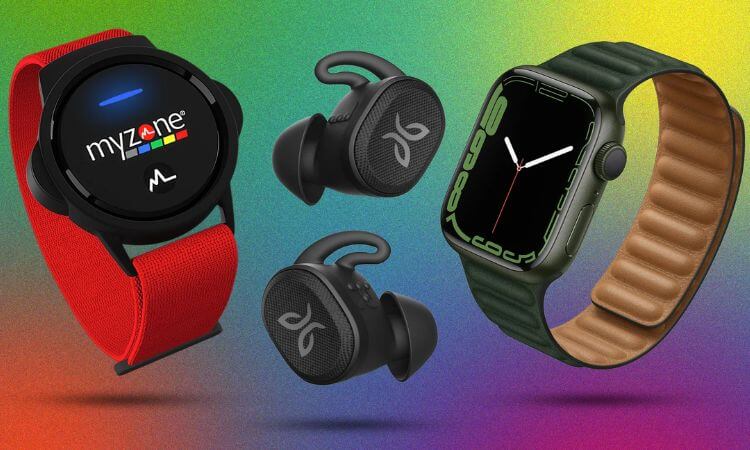
Best Health & Fitness Tech Gadgets 2026
The year 2026 marks a turning point in health and fitness technology. From AI-driven wearables that monitor stress and sleep to smart rings and adaptive home workout gear, the market is overflowing with innovation.
Health tech has evolved far beyond step counting and calorie tracking. Today’s gadgets act as personal coaches—analyzing your physiology, predicting readiness, and optimizing performance. Whether you’re an athlete, a wellness enthusiast, or simply someone aiming to live healthier, the right device can transform how you monitor and improve your body.
Below is a list of the 15 best health and fitness tech gadgets of 2026, carefully selected based on innovation, functionality, and user impact.
1. Apple Watch Series 10
Apple’s latest flagship smartwatch redefines personal health monitoring. The Apple Watch Series 10 introduces non-invasive blood glucose tracking, body temperature analysis, and advanced AI coaching integrated into Apple’s Fitness+ platform.
- Key Features: Blood sugar estimation, ECG, heart rate variability (HRV), sleep optimization, fall detection, and advanced recovery suggestions.
- Battery Life: Up to 18 hours (extended with Low Power Mode).
- Why It Stands Out: Apple’s AI insights help personalize training intensity and recovery cycles—essential for users seeking precise health metrics.
Best For: iPhone users wanting seamless health integration with smart AI feedback.
2. Samsung Galaxy Watch 7
Samsung continues its dominance in wearable health tech with the Galaxy Watch 7, featuring the new BioActive Sensor 2. It measures blood pressure, body composition, and stress levels while offering in-depth sleep analysis powered by Galaxy AI.
- Key Features: Blood pressure, ECG, body composition, SpO₂, and sleep tracking.
- Battery Life: Up to 2 days.
- Why It Stands Out: The BioActive Sensor 2 delivers clinical-grade accuracy and integrates smoothly with Samsung Health and Galaxy phones.
Best For: Android and Samsung users who prioritize precision health data.
DO NOT MISS: Samsung Galaxy Watch 7 Leak Confirms New Health Sensors
3. Garmin Venu 3X
The Garmin Venu 3X balances durability and intelligence. With a military-grade design, built-in GPS, and AI voice coaching, it’s ideal for outdoor and endurance athletes.
- Key Features: Multi-sport modes, advanced training analytics, heart rate zones, and recovery advisor.
- Battery Life: Up to 14 days in smartwatch mode.
- Why It Stands Out: Exceptional GPS accuracy and performance metrics make it one of the best choices for serious athletes.
Best For: Runners, hikers, and triathletes needing rugged reliability.
4. Fitbit Charge 7
Fitbit’s Charge 7 remains the go-to fitness tracker for affordability and simplicity. Despite its slim build, it packs temperature tracking, a stress management score, and a new “Daily Readiness” feature that recommends rest or workouts.
- Key Features: Stress tracking, temperature sensor, step count, HRV, and sleep quality reports.
- Battery Life: 7 days.
- Why It Stands Out: The balance of price, comfort, and data accuracy keeps Fitbit a mainstream choice.
Best For: Everyday fitness tracking and beginner health monitoring.
5. Oura Ring Gen 4
Compact yet powerful, the Oura Ring Gen 4 is the leader in ring-based wellness wearables. It tracks sleep, readiness, recovery, heart rate, and body temperature—all in a stylish, minimalist design.
- Key Features: Sleep tracking, HRV, body temperature trends, and stress monitoring.
- Battery Life: 5–7 days.
- Why It Stands Out: Offers near-medical accuracy while remaining discreet and comfortable to wear 24/7.
Best For: Users who prefer minimal wearables without compromising on insights.
6. Samsung Galaxy Ring
Samsung’s entry into the smart ring market, the Galaxy Ring, merges health data with AI integration across the Galaxy ecosystem. It’s ultra-light, durable, and built for all-day use.
- Key Features: Sleep coaching, heart rate, movement tracking, and stress analysis.
- Battery Life: Up to 7 days.
- Why It Stands Out: Works flawlessly with Samsung Health, offering real-time wellness summaries directly on your phone or smartwatch.
Best For: Galaxy smartphone owners seeking compact health tracking.
7. Whoop Strap 5.0
The Whoop 5.0 strap is designed for high-performance athletes who crave in-depth recovery and strain analysis. It’s screenless but data-rich, providing continuous tracking with AI insights.
- Key Features: HRV, strain score, recovery analysis, sleep performance, and respiratory rate.
- Battery Life: 5 days.
- Why It Stands Out: Focuses exclusively on performance optimization rather than notifications or smart features.
Best For: Professional athletes or serious trainers focusing on endurance and recovery.
8. Withings ScanWatch Nova
The Withings ScanWatch Nova merges traditional watch aesthetics with medical-grade health technology. It can record ECGs, detect atrial fibrillation, and monitor SpO₂ levels.
- Key Features: ECG, blood oxygen, temperature, sleep cycles, and stress tracking.
- Battery Life: 30 days.
- Why It Stands Out: It’s one of the most elegant hybrid smartwatches, blending luxury design with serious health functionality.
Best For: Professionals and users who prefer a classic look with advanced tracking.
9. Amazfit Balance
Amazfit continues to bridge affordability and innovation. The Amazfit Balance adds dual-LED sensors for better accuracy, a new “Readiness Score,” and compatibility with Zepp Coach for guided workouts.
- Key Features: GPS, sleep monitoring, stress tracking, body composition, and AI insights.
- Battery Life: 14 days.
- Why It Stands Out: Affordable yet feature-packed, it rivals premium models at a fraction of the price.
Best For: Budget-conscious users who want premium functionality.
10. Peloton Guide 2
The Peloton Guide 2 brings AI-powered personal training to your living room. It uses a camera to analyze your form, count reps, and provide live feedback during strength workouts.
- Key Features: AI movement tracking, adaptive resistance guidance, and progress analytics.
- Why It Stands Out: Transforms home workouts into interactive coaching sessions with precise form correction.
Best For: Home gym users who want an immersive and smart fitness experience.
11. Theragun Mini 2.0
Recovery matters as much as training. The Theragun Mini 2.0 is a compact, quiet percussion massager designed for deep tissue relief.
- Key Features: Three speed levels, ergonomic grip, 20% quieter motor, and lightweight design.
- Battery Life: 2 hours.
- Why It Stands Out: Offers the power of a full-size massage gun in a pocket-friendly form factor.
Best For: On-the-go athletes or frequent travelers needing fast muscle recovery.
12. Withings Body Smart Scale
The Withings Body Smart is more than a weighing scale—it’s a complete body analysis tool. It tracks weight, fat percentage, muscle mass, water levels, heart rate, and even metabolic age.
- Key Features: Weight, BMI, heart rate, body composition, and metabolic insights.
- Why It Stands Out: Syncs seamlessly with the Withings app for holistic wellness tracking.
Best For: Users who want to monitor health progress at home with precision.
13. Airofit Active 2
Breathing training enters the digital era with Airofit Active 2. This smart respiratory trainer helps users strengthen lung capacity and endurance.
- Key Features: Adjustable resistance levels, lung performance metrics, and guided breathing sessions.
- Why It Stands Out: Scientifically proven to enhance oxygen efficiency and athletic performance.
Best For: Swimmers, runners, and anyone seeking better respiratory health.
14. JAXJOX KettlebellConnect 2.0
The JAXJOX KettlebellConnect 2.0 is an adjustable, Bluetooth-connected kettlebell that replaces six traditional weights. It automatically logs your reps and tracks power output.
- Key Features: Adjustable weight (12–42 lbs), performance tracking, and real-time analytics.
- Why It Stands Out: Perfect for compact home gyms, offering smart training without clutter.
Best For: Strength training enthusiasts and home gym users.
15. Muse S (Gen 3)
The Muse S Gen 3 isn’t just a gadget—it’s a mindfulness companion. Using EEG sensors, it monitors brain activity during meditation and sleep, guiding users toward relaxation and better rest.
- Key Features: EEG-based meditation feedback, sleep tracking, heart rate, and ambient soundscapes.
- Battery Life: 10 hours.
- Why It Stands Out: A rare combination of mental wellness and physiological data analysis.
Best For: Users focusing on stress management, mindfulness, and sleep improvement.
Emerging Trends in 2026 Health Tech
1. AI-Powered Coaching
Gadgets now interpret your data instead of simply collecting it. AI algorithms provide personalized feedback on workouts, nutrition, and rest, making health tracking more actionable.
2. Minimalist Designs
Slim wearables—rings, patches, and compact bands—are replacing bulky devices, focusing on comfort and continuous wear.
3. Holistic Health Tracking
The shift from “fitness” to “wellness” means devices now monitor stress, mental health, recovery, and even emotional state.
4. Home Integration
Smart mirrors, connected scales, and AI workout systems bring professional-level monitoring into homes—no gym required.
5. Data Privacy Awareness
Manufacturers are introducing stronger encryption and transparency policies as users become more concerned about personal health data security.
Buying Guide: How to Choose the Right Gadget
Choosing the right gadget depends on your lifestyle and goals. Consider these points before buying:
- Purpose:
- Fitness Performance: Choose Garmin, Whoop, or Apple Watch.
- General Health: Go for Fitbit, Withings, or Samsung.
- Recovery/Mindfulness: Muse S or Theragun Mini.
- Minimal Tracking: Oura or Galaxy Ring.
- Compatibility:
Make sure it syncs with your phone’s OS (Android/iOS) and preferred health apps. - Accuracy and Sensors:
Look for proven biometric sensors—ECG, SpO₂, HRV—for reliable data. - Battery Life:
Prioritize wearables offering multiple days of use; constant recharging can reduce usability. - Comfort:
Lightweight, hypoallergenic materials are essential for daily wear. - Price and Value:
2026 offers strong mid-range options that balance affordability with advanced functionality. - After-Sales Support:
In markets like Pakistan and South Asia, confirm the availability of warranty and repair support.
Conclusion
The best health and fitness tech gadgets of 2026 demonstrate one clear direction—integration. Devices no longer work in isolation but create a connected health ecosystem that understands your body, predicts your needs, and recommends personalized actions.
From the Apple Watch Series 10’s AI-powered fitness coaching to the minimalist Oura and Galaxy Rings, technology is finally catching up with our wellness ambitions. The goal is no longer just tracking metrics—it’s about improving lives, one insight at a time.
Whether you’re striving for better sleep, peak performance, or a balanced lifestyle, there’s a gadget tailored to your goals. The future of health is personal, intelligent, and always within reach.