Table of Contents
Apple Vision Pro 2 Rumors: What to Expect
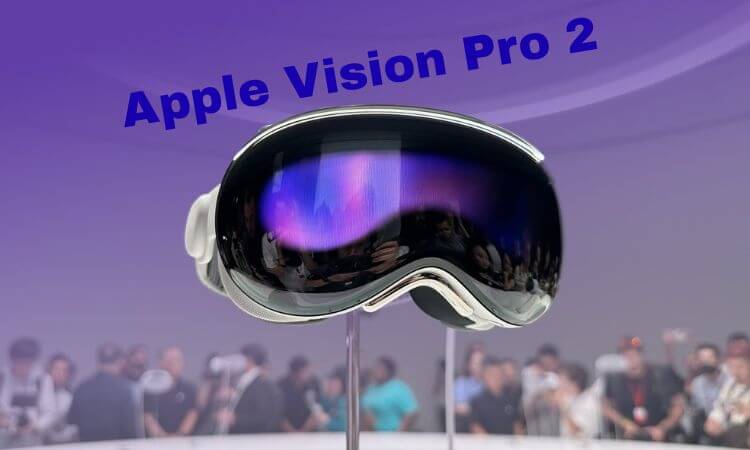
Apple’s first Vision Pro shook up the AR/VR world when it launched in early 2024 — gorgeous headset, ambitious software, and a wallet-stingingly high $3,499 price tag. Since then, chatter about a “Vision Pro 2” (or at least a meaningful refresh) has been nonstop. Below is a roundup of the strongest rumors, what they mean for users and businesses, and the realistic chances Apple will deliver something truly new — plus a short FAQ and SEO metadata at the end.
Quick summary
- Apple appears to be refreshing Vision Pro hardware (not a total redesign) with a faster Apple silicon chip and comfort tweaks.
- At the same time, reports say Apple is shifting major resources toward smaller “smart glasses” and AI projects — which could delay a lighter, cheaper Vision Pro redesign.
- Price is likely to remain high unless Apple makes major component or design changes; expect incremental improvements first.
Release timing: imminent refresh vs. full sequel
Multiple outlets point to an imminent refresh — possibly before the end of 2025 — that updates internal hardware without dramatically changing the outward design. That’s consistent with an Apple approach of rolling out iterative improvements (faster chip, software updates, better strap) while they continue parallel work on bolder long-term projects like lightweight, display-equipped smart glasses.
At the same time, many reports indicate Apple has reprioritized efforts, accelerating smart-glasses development and dialing back an overhaul of Vision Pro to focus on AI-first eyewear. That suggests a “Vision Pro 2” that’s evolutionary rather than revolutionary — at least in the short term.
DO NOT MISS: Best Wireless Earbuds Under $200 in 2025
Expected hardware upgrades
Faster chip (M4 / M5)
An upgraded M-series chip — likely M4 or M5 — is expected to replace the original silicon to boost performance, battery handling, and on-device AI tasks. This matches Apple’s pattern of applying newer SoCs to its pro hardware line. While not a dramatic leap, it should improve responsiveness, multitasking, and processing for vision models.
Comfort and strap changes
One of the most common user complaints for the first Vision Pro was comfort during long sessions. Rumors specifically call out a redesigned, dual-knit or improved head strap to make the device feel lighter and more stable — a simple but very meaningful UX change if Apple gets it right.
Camera, sensors, and internals
Leaks suggest incremental sensor and neural engine boosts for live recognition, spatial awareness, and improved passthrough imaging. But major external redesigns — such as a much-smaller footprint or radically lighter headset — are unlikely in this refresh cycle; those changes appear to be earmarked for later models or different product lines.
Software: visionOS 26 and tighter Apple Intelligence
Apple’s visionOS is rapidly evolving. New updates bring better accessibility, Live Recognition, improved typing and scrolling interactions, and deeper integration with iPhone and Apple services. Expect any Vision Pro refresh to ship paired with the latest visionOS features and tighter Apple Intelligence capabilities for voice/AI interactions. Those software changes will likely be as impactful for everyday users as modest hardware bumps.
Pricing and positioning — will it get cheaper?
A common thread in coverage is that Apple has struggled to find mainstream momentum at the $3,499 price. Analysts warn that unless Apple can materially cut cost or strip expensive components, the headset will remain a premium niche device. Current rumors signal a similar price point for a refresh, meaning Apple may instead pursue a two-tier strategy: keep Vision Pro as the high-end spatial computer while developing separate, lower-cost smart glasses to reach mass markets.
Who benefits from a Vision Pro refresh?
- Professionals & creatives: Faster chips and software refinements help power creative workflows, 3D modeling, and pro apps.
- Early adopters: Those who already own a Vision Pro may welcome comfort and incremental performance updates.
- Enterprise: Businesses experimenting with spatial computing may see better manageability and slightly improved ROI with iterative hardware/software improvements.
For mainstream consumers, Apple’s push into smart glasses (voice-first, iPhone-paired models) is probably the move that will broaden adoption in the long run.
Risks and unanswered questions
- Price vs. value: Will Apple make enough meaningful changes to justify another $3,499 refresh? Analysts are skeptical.
- Content & apps: Hardware improvements matter less if the ecosystem of apps and experiences doesn’t grow rapidly. visionOS improvements help, but developer buy-in remains crucial.
- Product strategy clarity: Apple’s juggling of Vision Pro, a “lighter Vision Pro” plan, and separate smart glasses could lead to overlapping product lines and customer confusion unless the messaging is clear.
Conclusion
Expect a near-term Vision Pro refresh, focusing on a faster chip, comfort improvements (notably a better strap), and a VisionOS refresh. Don’t expect a dramatic price cut or a much lighter form factor in this wave — Apple seems to be shifting its longer-term bets toward smart glasses and AI eyewear. If you’re an early adopter who values the best spatial experience today, a refreshed Vision Pro could be tempting; if you’re waiting for mainstream, affordable AR glasses, Apple’s roadmap suggests you might wait a bit longer.
FAQs
Q: When will Apple Vision Pro 2 be announced?
A: Rumors point to a possible refresh announcement in late 2025, but Apple’s prioritization of smart-glasses work makes exact timing uncertain.
Q: Will Vision Pro 2 be cheaper than the original?
A: Current reporting suggests the price may remain around the original $3,499 for a like-for-like refresh; a genuinely cheaper Vision Pro likely requires design and component changes Apple isn’t prioritizing right now.
Q: Will the new Vision Pro be lighter?
A: A major weight reduction looks unlikely for this refresh. Apple may improve perceived comfort (better strap, balance), but a truly lighter model may come later or via a separate product line.
Q: What software improvements should I expect?
A: Expect visionOS updates with better accessibility, live recognition, improved input methods, and deeper Apple Intelligence/voice features.