
Table of Contents
How much is Dr. Phil Net Worth?
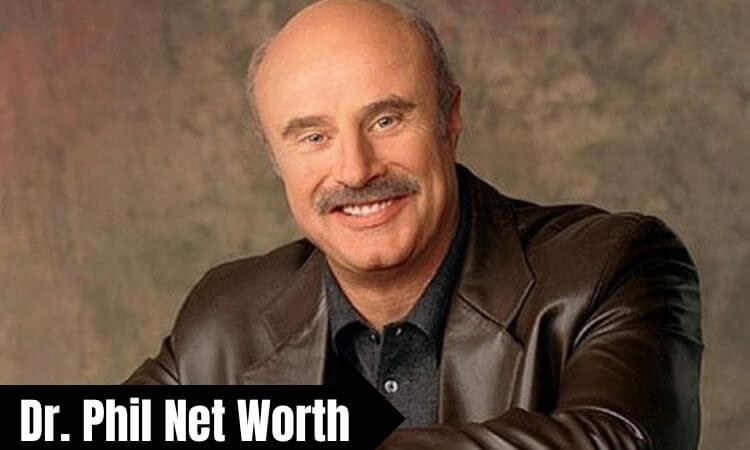
Dr. Phil McGraw has an estimated net worth of $400 million, making him one of the wealthiest television personalities in the United States. Best known for his long-running daytime talk show Dr. Phil, McGraw built his fortune through television, production companies, bestselling self-help books, business ventures, and valuable real estate investments. His estimated annual salary and earnings are listed at approximately $80 million, although his income has varied significantly over the years.
McGraw’s journey from a psychology graduate to a nationally recognized television personality is a story of strategic career decisions, media partnerships, and business ownership. Unlike television hosts who depend primarily on salaries, he benefited from the commercial structure behind his flagship program. His ability to combine entertainment with advice about relationships, family conflicts, personal responsibility, and everyday problems helped him build a recognizable brand that extended far beyond television.
However, his financial story has also included controversies, legal disputes, and a major business setback. In 2024, McGraw launched Merit Street Media, an ambitious television network intended to establish a new home for his programming. The company subsequently entered bankruptcy proceedings, and its Chapter 11 case was converted to Chapter 7 liquidation in 2025. Although the failure of the venture attracted considerable attention, the company’s bankruptcy was not the same as a personal bankruptcy filing by McGraw.
His real estate holdings have also remained an important part of his financial profile. In addition to previously owned California properties, McGraw and his wife, Robin, have maintained substantial residential assets, including a large Beverly Hills-area estate.
So, how did Dr. Phil accumulate an estimated $400 million? His wealth reflects decades of television earnings, ownership interests, publishing success, production work, and property investments. Understanding these different income streams helps explain both the scale of his fortune and the risks associated with his later business ventures.
Dr. Phil Net Worth and Salary
Dr. Phil McGraw’s estimated net worth is $400 million as of October 2026, according to the financial figures provided for this profile. His estimated annual salary is approximately $80 million, although that figure should not be interpreted as a guaranteed payment he receives every year.
His earnings have changed depending on his television contracts, production arrangements, book sales, and business activities. During the most successful years of his daytime program, McGraw earned tens of millions of dollars annually. In some years, his reported income approached or exceeded $90 million, placing him among the highest-paid personalities in television.
DO NOT MISS: How much is Patty Smyth Net Worth?
The distinction between salary and net worth is important. Salary refers to compensation earned during a particular period, while net worth represents the estimated value of a person’s assets after accounting for liabilities. A celebrity can earn a large amount in one year without increasing their net worth by the same amount because taxes, business expenses, investments, property costs, and financial obligations also affect the final figure.
| Financial Detail | Estimated Information |
| Full name | Phillip Calvin McGraw |
| Professional name | Dr. Phil |
| Date of birth | September 1, 1950 |
| Age in October 2026 | 76 years old |
| Nationality | American |
| Profession | Television personality, author, producer, and entrepreneur |
| Estimated net worth | $400 million |
| Estimated annual salary and earnings | $80 million |
| Main source of wealth | Television and media production |
| Other income sources | Books, business ventures, production work, and investments |
| Spouse | Robin McGraw |
| Children | Jay McGraw and Jordan McGraw |
| Best-known television show | Dr. Phil |
These figures are estimates rather than a public accounting of McGraw’s complete finances. His private investments, business ownership percentages, taxes, outstanding liabilities, and the final financial consequences of Merit Street Media may not be fully reflected in a headline net worth estimate.
How Much Money Does Dr. Phil Make a Year?
Dr. Phil’s reported annual earnings have ranged from approximately $30 million to $95 million during different periods of his television career. His income grew substantially after his daytime talk show became a major syndicated success.
His reported earnings included approximately $45 million in 2006, $30 million in 2008, $80 million in 2011, $64 million in 2012, $72 million in 2013, and $77 million in 2014. He reportedly earned around $70 million in 2015, $88 million in 2016, $79 million in 2017, and $77.5 million in 2018.
Between June 2018 and June 2019, his reported earnings reached approximately $95 million. He earned another reported $65.5 million in 2020.
These figures illustrate the earning power of a successful syndicated television program. They also show why McGraw’s fortune cannot be understood by looking at a single year’s salary. His wealth developed over decades, with income generated by several related businesses and intellectual properties.
An annual earnings estimate of $80 million does not necessarily mean that McGraw currently receives that amount from one employer. His original daytime show ended in 2023, and subsequent projects introduced different production and distribution arrangements. The amount he earns in any particular year may therefore differ considerably from the historical figures associated with his most successful period.
Who Is Dr. Phil McGraw?
Dr. Phil McGraw is an American television personality, author, former practicing psychologist, and media entrepreneur. He became famous for giving direct advice to guests dealing with personal struggles, troubled relationships, family disagreements, addiction, and other difficult circumstances.
His public image is built around a straightforward communication style. Rather than presenting advice in the formal language of academic psychology, McGraw generally used everyday expressions and direct questions to challenge guests to examine their choices. His approach attracted viewers who appreciated his willingness to confront difficult subjects, although it also drew criticism from people who questioned whether complicated personal problems could be addressed appropriately within an entertainment program.
Before becoming a television celebrity, McGraw studied psychology and worked in the field. He later moved toward business consulting and litigation strategy, a transition that eventually brought him into contact with Oprah Winfrey.
His appearances on Winfrey’s show created an opportunity to reach a national audience. The success of those appearances eventually led to his own television program in 2002.
Over the next two decades, McGraw developed a business identity that extended beyond being a television host. His name became associated with books, production companies, television spinoffs, health and lifestyle products, and other commercial ventures.
The combination of professional credentials, a recognizable personality, and a successful television platform gave McGraw an unusual position in the entertainment industry. He could use the attention generated by television to introduce books, develop new shows, and expand the reach of his personal brand.
Early Life and Family Background
Phillip Calvin McGraw was born on September 1, 1950, in Vinita, Oklahoma. His early life did not immediately suggest that he would become one of America’s most recognizable television personalities.
His father, Joseph McGraw, initially worked as an equipment supplier in the North Texas oil fields before pursuing a career in psychology. The family eventually moved to Overland Park, Kansas, where McGraw spent part of his youth.
During high school, McGraw played football at Shawnee Mission North High School. His interest in sports continued into college, where he received a football scholarship to the University of Tulsa.
McGraw played middle linebacker for Tulsa. He was part of the team involved in the widely remembered 1968 game against the University of Houston, which ended in a 100–6 defeat for Tulsa. Although the result became a memorable piece of college football history, his eventual professional success came through a completely different field.
After his time at Tulsa, McGraw transferred to Midwestern State University in Wichita Falls, Texas. He earned a bachelor’s degree in psychology in 1975.
He continued his education by completing a master’s degree in experimental psychology in 1976. In 1979, he received a Ph.D. in clinical psychology from North Texas State University, now known as the University of North Texas.
His academic background helped establish the foundation for his early professional work. However, his eventual career would combine psychology with business strategy, television production, publishing, and entertainment.
McGraw’s educational path is an important part of his story because his television identity depended heavily on the public perception that he could interpret human behavior and discuss personal problems. His later financial success came from translating that background into a media brand that could reach millions of viewers.
Dr. Phil’s Career Before Television Fame
After completing his education, McGraw entered private practice and worked with his father. At this stage, his career was primarily connected to psychology rather than entertainment.
Traditional clinical work, however, was not the only direction he explored. He eventually became interested in applying behavioral principles to business problems, particularly disputes that required lawyers to understand how people think, communicate, and make decisions.
This shift was significant. It allowed McGraw to use his knowledge of human behavior in a commercial environment, where consulting services could be offered to law firms and other clients.
Rather than remaining exclusively in a conventional psychology practice, he began developing a business career around behavioral analysis and litigation consulting. That decision ultimately created the professional connection that brought him into Oprah Winfrey’s orbit.
His early work did not generate the public recognition he later received from television. Nevertheless, it provided valuable experience in communication, negotiation, and understanding the motivations behind people’s actions.
Those skills became central to his later television persona. His direct questioning style, emphasis on personal responsibility, and ability to turn complicated disputes into understandable stories were all useful in the television format.
His early professional years also demonstrated a pattern that continued throughout his career: McGraw frequently looked for ways to transform specialized knowledge into services or products that could reach a wider commercial audience.
That strategy would later become one of the main reasons his earnings exceeded those of many conventional television presenters.
Courtroom Sciences: The Business That Changed His Career
One of the most important turning points in McGraw’s financial journey came in 1990, when he co-founded Courtroom Sciences, Inc. (CSI), a Texas-based consulting firm.
The company specialized in helping attorneys prepare for legal cases. Its services included jury selection, witness preparation, mock trials, mediation, and trial strategy. Instead of concentrating on traditional therapy, CSI applied behavioral analysis to the legal process, helping lawyers understand how jurors might respond to evidence and how witnesses could communicate more effectively.
The business represented a major change in McGraw’s professional direction. It combined his academic background with commercial consulting, allowing him to work with legal teams facing complicated and sometimes high-profile disputes.
CSI also became the bridge between McGraw’s relatively private professional life and his eventual television career.
How Oprah Winfrey Entered the Picture
McGraw’s connection with Oprah Winfrey began through a legal dispute involving Winfrey and Texas cattlemen. In 1996, Winfrey’s television program discussed concerns about mad cow disease and beef safety. The discussion led to a defamation lawsuit brought by cattle interests in Texas.
Winfrey’s legal team used Courtroom Sciences to help prepare for the case. The dispute went to trial in Amarillo, Texas, and Winfrey ultimately prevailed in 1998.
McGraw worked with Winfrey during the litigation, giving her an opportunity to observe his communication skills and approach to understanding human behavior. Their professional relationship eventually developed into a television partnership.
Winfrey began inviting McGraw to appear on The Oprah Winfrey Show. His segments addressed subjects such as marriage, parenting, family conflict, personal responsibility, and relationships.
Audiences responded to his confident delivery and willingness to challenge guests directly. His appearances became popular, and his name increasingly became associated with practical advice about everyday problems.
For McGraw, this exposure was a turning point. Courtroom consulting had introduced him to an influential television figure, but national television introduced him to millions of potential viewers.
The difference between the two opportunities was enormous. A consulting firm can generate substantial business revenue, but a successful television personality can reach a much larger audience and build a recognizable brand around books, programs, and other products.
His relationship with Winfrey therefore helped create the foundation for the financial success that followed.
From Consultant to Television Celebrity
McGraw’s television appearances were not simply advertisements for his consulting work. They gave him a new professional identity.
He became known for asking direct questions, identifying patterns in people’s behavior, and encouraging guests to take responsibility for their decisions. His approach was easy for viewers to understand, even when the subjects were emotionally complicated.
The television format also suited his style. Producers could introduce a personal problem, present the people involved, and allow McGraw to guide the conversation toward a series of practical questions and recommendations.
That structure made his segments memorable and helped distinguish him from other guests appearing on daytime television.
His growing popularity created an opportunity to launch an independent program. Instead of appearing occasionally on someone else’s show, McGraw could become the central figure in a television production built around his name.
That transition would eventually become the biggest source of his wealth.
The Launch of Dr. Phil in 2002
In September 2002, McGraw launched Dr. Phil, a syndicated daytime talk show initially produced in partnership with Harpo Productions, Oprah Winfrey’s production company.
The program quickly became a major part of daytime television. It carried forward the subjects that had made McGraw popular on Winfrey’s show, including relationships, parenting challenges, addiction, weight management, family disagreements, and personal behavior.
Each episode generally centered on guests who wanted help dealing with a difficult situation. McGraw would question them about their choices, challenge their explanations, and suggest ways to approach their problems differently.
The format relied on a combination of personal stories, emotional conversations, and direct advice. Viewers could watch people discuss conflicts that often resembled problems they had experienced in their own families or relationships.
His style became one of the program’s defining features. McGraw often emphasized personal accountability and practical action instead of allowing conversations to remain focused entirely on blame.
For supporters, this directness was a major reason to watch. They appreciated that he did not always tell guests what they wanted to hear. Critics, however, sometimes argued that the confrontational approach could oversimplify complicated psychological and family problems.
The program’s success showed that McGraw had found a strong commercial position within daytime television. He was not merely a presenter reading scripts. He was the central attraction, and the show’s identity depended on his personality, reputation, and way of communicating.
Why Dr. Phil Became So Profitable
The program’s financial success came from several connected factors.
First, syndication allowed the show to reach viewers through television stations in different markets. Rather than relying on a single local audience, the program could be distributed nationally.
Second, a recognizable host made the show commercially attractive to advertisers. A consistent audience and a recognizable format gave distributors and advertising partners a reason to continue supporting the program.
Third, McGraw’s business arrangements reportedly allowed him to retain significant economic benefits from the show’s content and commercial opportunities. The financial structure was different from simply receiving a fixed salary for appearing in front of the cameras.
His production interests also helped him extend the brand into other television projects and related ventures.
This distinction is essential to understanding Dr. Phil’s net worth. A host who receives a salary earns money for performing a role. A host who also has ownership or production interests may participate in the broader commercial value created by a program.
The exact terms of private contracts are not necessarily public, but the supplied financial information attributes much of McGraw’s exceptional earnings to the economics of his television business.
Twenty-One Seasons of Television Success
The original Dr. Phil program ran for 21 seasons and produced more than 3,500 episodes before ending in 2023.
That lengthy run gave McGraw years of national exposure and helped establish the show as a familiar part of American television.
Long-running programs can be especially valuable because their established audiences, production systems, and recognizable brands create opportunities beyond the original broadcast. A successful format can also provide a foundation for new productions, books, and related commercial projects.
For McGraw, the show’s longevity meant that he could develop a substantial fortune while continuing to expand his business interests.
By the time the daytime series ended, he had become one of the highest-paid personalities in television. The show had also established the name recognition needed to launch a new television project under a separate brand.
The end of the original series did not erase the wealth accumulated during its run. However, it marked a new phase in his career, one in which future income would depend more heavily on his subsequent projects and business arrangements.
Dr. Phil’s Other Television Shows and Production Businesses
McGraw’s television success extended beyond his flagship daytime program. He and his son Jay McGraw developed additional projects through Stage 29 Productions, creating opportunities to expand their presence in television.
Producing shows allowed the family business to participate in the development of programming rather than relying exclusively on McGraw’s personal appearances.
The Doctors
One of the most prominent projects associated with McGraw’s production operation was The Doctors, a medical talk show that premiered in 2008.
The program featured physicians discussing health concerns, medical treatments, wellness, and other topics of public interest. Its format differed from Dr. Phil, which primarily focused on personal behavior and relationships, but it used a similar approach of presenting accessible conversations about subjects affecting ordinary people.
The series remained on television until 2022.
Its success demonstrated that McGraw’s production business could develop programming built around other presenters and specialists. That mattered financially because production companies can create value through projects that do not require their owners to serve as the main on-screen personality.
Although the precise profit McGraw received from The Doctors is not established by the supplied figures, the program formed part of the broader production portfolio associated with his career.
Bull
McGraw also served as an executive producer and co-creator of the CBS legal drama Bull, which premiered in 2016.
The series starred Michael Weatherly as Dr. Jason Bull, a trial consultant who used behavioral science and analysis to help lawyers understand juries and prepare legal strategies.
The premise drew inspiration in part from McGraw’s experience with Courtroom Sciences. His background in litigation consulting gave him a connection to the central idea behind the show, although Bull was a fictional drama rather than a documentary about his professional life.
The series ran for six seasons, ending in 2022.
For McGraw, the project represented another way to turn professional experience into entertainment. Rather than appearing in a talk show, he could participate behind the scenes in a scripted series.
Television production credits may generate income through contractual compensation and other arrangements, depending on the agreement and the program’s commercial performance. The precise financial terms of McGraw’s involvement in Bull are not provided here, so it would be inappropriate to assign him a specific profit figure.
Nevertheless, the show illustrates the variety of television work associated with his career.
Why Production Ownership Matters
The business side of television is often less visible than the people viewers see on screen. A presenter may become famous, but the production and distribution arrangements help determine how much of a program’s commercial value reaches the people behind it.
McGraw’s career included both on-screen work and involvement in production companies. This gave him opportunities to develop programming, collaborate with other producers, and build projects that extended beyond his original talk show.
The strategy also involved risks. A successful show can generate significant income, but a new production may fail to attract an audience, face rising costs, or encounter disagreements with business partners.
Those risks became particularly important when McGraw later launched Merit Street Media.
Dr. Phil’s Book Sales and Publishing Income
Books have been another important part of McGraw’s business career. His television audience provided a natural market for self-help books that explored the same subjects discussed on his program.
His publishing work has covered relationships, family life, personal growth, weight management, and strategies for changing behavior. These subjects allowed him to reach readers who wanted to explore his advice outside the television environment.
Some of his best-known titles include:
- Life Strategies
- Relationship Rescue
- Self Matters
- Family First
- The Ultimate Weight Solution
- The 20/20 Diet
These books helped establish McGraw as a commercial author as well as a television personality.
Life Strategies
Life Strategies focuses on personal responsibility, decision-making, and the patterns that influence people’s lives. Its central theme fits closely with McGraw’s public approach to self-improvement: individuals need to recognize their circumstances and take practical steps toward change.
The book helped extend his television identity into publishing. Readers familiar with his direct style could engage with similar ideas in a format that allowed them to reflect on their own experiences.
Relationship Rescue
Relationships were among the most frequent subjects on Dr. Phil, making a book devoted to relationship problems a natural extension of the program.
Relationship Rescue addresses the behaviors and communication patterns that can damage relationships. Its commercial appeal came from the fact that relationship difficulties affect a broad audience, including people who might never appear on television.
The book also demonstrates how a television platform can support a publishing career. Viewers who appreciate a host’s advice may be interested in purchasing a book that explores the same subject in greater detail.
Self Matters and Family First
Self Matters explores personal identity, self-understanding, and the influence of past experiences on present behavior.
Family First focuses on family relationships and the responsibilities involved in raising children and maintaining a supportive home environment.
Both subjects align with the themes that made McGraw’s television program recognizable. By developing books around these topics, he could reach audiences with different interests while maintaining a consistent public identity.
Weight Management and Lifestyle Books
McGraw also wrote books about weight management, including The Ultimate Weight Solution and The 20/20 Diet.
These titles broadened his publishing work beyond relationships and family issues. They placed his brand in the lifestyle and wellness market, where books can lead readers toward additional products, programs, and media content.
The commercial value of publishing depends on several factors, including book sales, royalty agreements, advances, and any related licensing arrangements. The supplied information does not provide a complete breakdown of McGraw’s publishing revenue.
However, a portfolio of successful books can produce income over many years. A title may continue selling after its initial publication, and an established author can use an existing readership to introduce future projects.
McGraw’s books therefore represent an important part of his overall career, even though their exact contribution to his $400 million estimated net worth is not publicly itemized here.
Dr. Phil’s Business Ventures Beyond Books and Television
McGraw’s commercial activities have extended into other areas, including health-related products, brand development, and entrepreneurial projects.
His approach has generally involved building businesses around subjects already associated with his public image. Because his television program regularly discussed relationships, behavior, health, and lifestyle choices, these categories offered potential opportunities to develop products for an existing audience.
Not every venture achieved the same level of success, however. Some projects generated controversy, illustrating that a recognizable name can provide commercial advantages while also increasing scrutiny.
The Shape Up! Weight-Loss Supplement Controversy
In the early 2000s, McGraw promoted a line of weight-loss supplements known as Shape Up!
The products attracted attention because they were associated with a television personality who regularly discussed weight management and lifestyle changes. However, the venture later became the subject of a class-action lawsuit.
Consumers alleged that the marketing involved false or misleading claims. The case was settled in 2006 for $10.5 million without McGraw admitting wrongdoing.
According to the supplied information, the settlement consisted of $4.5 million in cash and $6 million worth of Nutrilite products. McGraw did not personally contribute to the settlement fund.
The episode is relevant to his financial history because it shows that celebrity-linked businesses can face legal and reputational challenges. A well-known name may help a product gain attention, but promotional claims must still withstand scrutiny.
It is also important to distinguish a settlement from a judicial finding that every allegation was true. A settlement resolves a dispute under agreed terms and does not necessarily establish liability.
The Shape Up! controversy remains an example of the risks involved when a media personality expands into consumer products, especially in areas such as health and weight management, where audiences may place considerable trust in public figures.
Building a Recognizable Personal Brand
McGraw’s name has commercial value because audiences have associated it with television advice and self-improvement for decades.
That recognition can make it easier to introduce new projects. Viewers who know a personality from television may be more willing to watch another program, read a book, or explore a related media product.
However, personal branding also creates a close connection between an individual’s reputation and the performance of their businesses. Criticism directed at a product or company may affect public perceptions of the personality associated with it.
McGraw’s career reflects both sides of this relationship. His fame helped create opportunities in publishing and television production, but controversies and business disputes also became part of his public financial story.
How Dr. Phil Built a $400 Million Fortune
Dr. Phil’s estimated $400 million net worth is the result of multiple income streams developed over several decades. No single public figure supplied here establishes the exact amount contributed by each business, but the broad sources of his wealth are clear.
1. Television Earnings
Television was the central driver of McGraw’s financial success. The long-running Dr. Phil program generated substantial reported earnings and established his name as a nationally recognized brand.
His annual income reached tens of millions of dollars during multiple years, with reported earnings of approximately $95 million between June 2018 and June 2019.
Those earnings were particularly important because they provided financial resources that could support other investments and business projects.
2. Production and Ownership Interests
McGraw’s involvement in the business side of television distinguished him from presenters whose income depends entirely on hosting fees.
His production relationships and reported economic interests in the Dr. Phil program allowed him to benefit from the commercial structure surrounding the show.
Through Stage 29 Productions and other projects, he also participated in developing additional programming.
Ownership and production arrangements can be especially valuable when a program succeeds over many seasons, although their actual profitability depends on the contracts and expenses involved.
3. Book Royalties
McGraw’s self-help books created another source of potential long-term income. Successful books can continue generating royalties after their original publication, and an established television audience can help promote new releases.
His books covered subjects that naturally complemented his television work, including relationships, family life, personal growth, and weight management.
4. Additional Television Projects
Programs such as The Doctors and Bull expanded his professional activities beyond his own daytime show.
These projects offered opportunities to participate in production and develop programming for different audiences. They also diversified his career, although the financial outcome of each project depended on its individual commercial arrangements.
5. Real Estate
High-value residential properties have formed another significant part of the McGraw family’s financial profile.
The couple purchased and sold several California properties over the years, including a Beverly Hills-area estate acquired in 2010. Their property history demonstrates the scale of the assets associated with their household, although asking prices and property values should not be treated as cash already earned.
6. Business Investments and Other Ventures
McGraw has also pursued ventures beyond traditional television and publishing. Such activities can potentially generate additional income or increase the value of a business portfolio.
However, entrepreneurial ventures can also lose money. Merit Street Media is a prominent example of the financial and operational risks involved in building a new media business.
Taken together, these income streams explain how McGraw accumulated substantial wealth. They also show why his financial position cannot be measured solely by his most recent television appearance or annual earnings estimate.
Merit Street Media: Dr. Phil’s Major Business Setback
One of the most significant developments in McGraw’s later career was the launch and subsequent collapse of Merit Street Media.
After the original Dr. Phil daytime show ended in 2023, McGraw sought to create a new television platform. In 2024, he launched Merit Street Media in partnership with Trinity Broadcasting Network (TBN). The company operated in the Dallas–Fort Worth area and was designed to deliver a broader mix of television programming.
The network’s main attraction was Dr. Phil Primetime, a nightly program that allowed McGraw to continue appearing on television while exploring a different format from his former daytime show.
The larger plan extended beyond one program. Merit Street aimed to establish a recognizable media operation with news, entertainment, crime-related programming, sports content, and other shows.
For McGraw, this represented an opportunity to build another television business after spending decades developing his original brand. However, the new venture faced serious financial and legal difficulties.
Disputes With Business Partners
Merit Street became involved in disputes with Trinity Broadcasting Network and Professional Bull Riders (PBR), which had supplied sports programming under a media-rights arrangement.
PBR asserted a claim worth approximately $181 million connected to its media-rights agreement. Merit Street and Trinity subsequently blamed each other for aspects of the network’s financial difficulties.
These disputes created additional uncertainty around the company’s future. A television network requires substantial resources to operate, including programming, distribution, staffing, marketing, and technical infrastructure. Disagreements with partners can make it difficult to maintain those operations, particularly when a company is already under financial pressure.
In July 2025, Merit Street Media filed for Chapter 11 bankruptcy protection. The company listed assets and liabilities in the $100 million to $500 million range.
Those figures refer to the company’s reported financial position, not to McGraw’s personal net worth. Corporate assets and liabilities cannot simply be added to or subtracted from an owner’s personal wealth without considering ownership, guarantees, legal responsibilities, and other financial arrangements.
Why the Bankruptcy Became So Controversial
The bankruptcy proceeding became contentious as creditors raised concerns about the company’s management and its relationships with people connected to McGraw.
One issue involved Envoy Media, a company McGraw formed shortly before Merit Street entered bankruptcy. Questions arose about the relationships between the businesses and the handling of the struggling network’s affairs.
The proceedings also examined communications relating to a $5 million investment made by a trust connected to one of McGraw’s friends.
During the litigation, the bankruptcy court found that McGraw had deleted a relevant text message. U.S. Bankruptcy Judge Scott Everett concluded that the deletion formed part of bad-faith conduct in the handling of the case.
The judge also questioned the neutrality of Merit Street’s chief restructuring officer because of his relationship with McGraw. The court found that the restructuring officer had not adequately fulfilled his duty of candor.
These findings became central to the court’s decision to change the type of bankruptcy proceeding.
It is important to distinguish allegations made by creditors from findings reached by a court. The bankruptcy case involved multiple disputes, and individual claims must be understood in the context of the court’s actual rulings.
Chapter 11 Converted to Chapter 7
Chapter 11 bankruptcy is generally intended to give a financially troubled business an opportunity to reorganize, restructure obligations, or pursue an approved sale process. Chapter 7, by contrast, involves liquidation under the supervision of a bankruptcy trustee.
After determining that Merit Street had little realistic prospect of rehabilitation, Judge Everett ordered the case converted from Chapter 11 to Chapter 7.
Under Chapter 7, an independent trustee takes control of the bankruptcy estate and is responsible for handling assets, investigating claims where appropriate, and distributing available proceeds according to bankruptcy law.
This decision represented a major setback for the television venture. Instead of continuing its planned reorganization, Merit Street faced a process focused on liquidation.
In September 2026, a federal district judge dismissed a separate petition brought by McGraw and Peteski Productions seeking to use a writ of mandamus to overturn or erase several bankruptcy court findings. The Chapter 7 liquidation remained in place.
Did Dr. Phil Personally Go Bankrupt?
No. Merit Street Media’s bankruptcy was a corporate bankruptcy, not a personal bankruptcy filing by Dr. Phil.
This distinction is essential when evaluating his estimated $400 million net worth. A company can fail while its owner retains substantial personal assets. At the same time, a corporate failure may still affect an owner’s finances through lost investments, unpaid obligations, litigation expenses, or other liabilities.
The exact effect of Merit Street Media’s collapse on McGraw’s personal wealth cannot be calculated from the company’s bankruptcy figures alone.
His estimated net worth should therefore be treated as a broad financial estimate rather than a verified balance sheet showing the impact of every business loss.
The Merit Street episode also demonstrates that even a successful entrepreneur with decades of experience can encounter substantial risks when entering a capital-intensive industry.
Dr. Phil’s Real Estate Portfolio
Real estate has played an important role in the McGraw family’s financial history. Over the years, Phil and Robin McGraw have bought and sold expensive properties in California, while also maintaining a residence in Texas.
Luxury real estate can be an important component of a high-net-worth household’s assets. However, a property’s asking price is not the same as its final sale price, and its market value does not necessarily represent money that the owner can immediately spend.
The McGraw family’s property history illustrates both the scale of their residential assets and the importance of distinguishing property valuations from liquid wealth.
Beverly Hills Estate Purchased in 2002
In 2002, Phil and Robin reportedly paid approximately $7.5 million for a Mediterranean-style estate in Beverly Hills.
The property included a main residence and guesthouse, along with features such as a private theater, gym, billiards room, wine storage, swimming pool, and outdoor entertaining areas.
The home reflected the lifestyle associated with McGraw’s growing success in television. As his program became a major daytime hit, the couple acquired a residence that offered substantial space and privacy.
They later listed the property for $16.5 million in 2010. It sold in 2011 for approximately $12 million.
The sale price was higher than the original purchase price, but that difference should not automatically be described as pure profit. Property taxes, maintenance, improvements, transaction costs, and other expenses can affect the financial outcome of a real estate investment.
Even so, the transaction illustrates how luxury properties can become a substantial part of a successful television personality’s household assets.
The $29.8 Million Beverly Hills-Area Mansion
In 2010, the McGraws purchased another major property in the Beverly Hills Post Office area for approximately $29.8 million.
The residence was completed in 2011 and sits on a 2.76-acre parcel. It spans approximately 16,079 square feet and includes eight bedrooms and more than 10 bathrooms.
The estate features a guesthouse, staff accommodations, a wine cellar, swimming pool, clay tennis court, entertainment pavilion, four-car garage, and landscaped grounds.
Its size and amenities make it substantially more than an ordinary residential property. The estate combines living space with facilities designed for recreation, entertaining, and accommodating guests.
In October 2026, Phil and Robin reportedly listed the property for $67.5 million.
At the asking price, the home is valued at approximately $4,198 per square foot. The asking price is also about $37.7 million higher than the reported $29.8 million purchase price.
However, an asking price is only the amount a seller hopes to receive. The final sale price could be higher or lower, and the difference between the purchase price and any eventual sale price would not equal the owners’ net profit.
The property is nevertheless a prominent example of the valuable real estate associated with the McGraw family.
Other Southern California Properties
The family has also been connected to several other Southern California homes.
In 2007, a family trust purchased a Beverly Crest residence measuring approximately 6,170 square feet. The property was later associated with Jordan McGraw.
It attracted attention when it was listed in 2020 because of its unusual interior design, which included dramatic black finishes, animal sculptures, a vine-like staircase, and an anti-gun art installation incorporating firearms.
The residence sold in February 2020 for its full reported asking price of $5.75 million.
The McGraws also purchased an approximately 11,000-square-foot property in Calabasas for $6.58 million in 2011.
In 2020, a family trust acquired another Beverly Hills-area residence for approximately $10 million. That property has been associated with Jordan McGraw and his wife, Morgan Stewart.
These transactions demonstrate that the family’s real estate activities have extended beyond a single primary residence. However, properties associated with family trusts or adult children should not automatically be treated as assets personally owned by Phil McGraw. Legal ownership structures matter when estimating an individual’s net worth.
The McGraws’ Texas Residence
McGraw has maintained a strong connection to Texas through his earlier professional life and later media operations.
As his business activities increasingly shifted away from Los Angeles, the family also maintained a substantial residence in the Dallas area.
The Texas connection is consistent with McGraw’s career history. He studied and worked in the state, established Courtroom Sciences there, and later based Merit Street Media’s operations in the Dallas–Fort Worth region.
Real estate holdings in different locations can provide flexibility for business and personal life, although maintaining multiple properties also creates ongoing costs.
Overall, the McGraw family’s property history reflects a high-value residential portfolio. Its contribution to McGraw’s personal net worth, however, depends on ownership, outstanding debt, market conditions, and eventual sale prices.
Dr. Phil’s Wife and Children
McGraw’s personal life has remained a subject of public interest alongside his television career. He has been married twice and has two sons, both of whom have pursued careers in media or entertainment.
Robin McGraw
Phil McGraw married Robin Jo Jameson in 1976. Robin later became an author, television personality, and philanthropist, and she frequently appeared alongside her husband in public and television-related settings.
The couple’s long marriage has been part of McGraw’s public identity for decades. Robin has also developed interests and activities of her own, rather than being known solely as the wife of a television personality.
Their shared property history includes several of the high-value California residences discussed above.
Because spouses may own assets jointly or separately, the combined value of a couple’s property should not automatically be equated with the personal net worth of either individual.
Jay McGraw
Jay McGraw, born in 1979, is Phil and Robin’s older son. He followed his father into the media industry and became a television producer, author, and media executive.
His involvement in Stage 29 Productions helped extend the family’s television business beyond the original Dr. Phil program.
Jay’s career demonstrates how the McGraw family’s media interests developed into a broader production operation. Rather than depending entirely on his father’s on-screen appearances, the business could pursue additional television projects and collaborate with other personalities.
Jay has also written books, continuing the family’s association with publishing and self-improvement.
Jordan McGraw
Jordan McGraw, born in 1986, pursued a career in music. Unlike his father and older brother, his professional interests have centered on the entertainment industry as a musician.
Jordan is married to Morgan Stewart, a television personality known for her work in entertainment media.
Although Jordan’s career differs from his father’s, the family’s broader connections to television and entertainment have kept them in the public eye.
It is important to distinguish each family member’s individual finances from Phil McGraw’s estimated $400 million fortune. Being part of a wealthy family does not mean that every member owns the same assets or shares an identical net worth.
Dr. Phil’s Foundation and Philanthropic Activities
In 2003, McGraw established the Dr. Phil Foundation. The organization has supported programs involving children, families, education, and community initiatives.
Philanthropy represents another aspect of his public profile, although charitable activity should be considered separately from commercial income.
A foundation’s mission, supported programs, and financial structure can differ from the personal finances of the individual associated with it. Without a complete accounting of contributions and distributions, it is not possible to determine the exact effect of McGraw’s charitable activities on his net worth.
Nevertheless, the foundation reflects an interest in supporting initiatives related to family welfare and community needs, subjects that have also appeared frequently in his television work.
Dr. Phil’s Aviation Interests
McGraw is also an aviation enthusiast and a licensed private pilot with an instrument rating.
Aviation has been one of his personal interests outside television and publishing. Private flying can involve significant expenses, including training, aircraft ownership or rental, maintenance, insurance, and operating costs.
However, having a pilot’s license does not establish the value of any aircraft he may own, and no specific aircraft valuation is included in the supplied financial information.
His aviation interest is best understood as one element of his personal life rather than a separately quantified source of income.
What Could Affect Dr. Phil’s Net Worth in the Future?
McGraw’s estimated net worth may change as his businesses, property holdings, investments, and personal expenses change.
Several factors could influence future estimates.
Television and media income: New programs, distribution arrangements, and production projects could provide additional earnings. The success of future projects would depend on their audiences, costs, and commercial agreements.
Merit Street Media’s liquidation: The bankruptcy proceedings may affect investments and financial claims connected to the company. The ultimate personal effect on McGraw cannot be determined solely from the company’s reported liabilities.
Real estate sales: If the Beverly Hills-area estate sells, the final price could influence the family’s financial position. Any calculation would need to account for ownership, transaction expenses, and other obligations.
Book and intellectual-property income: Existing books and media properties may continue generating revenue, depending on sales and licensing arrangements.
Taxes and personal expenses: Taxes, property maintenance, legal expenses, and other obligations affect how much of a person’s gross earnings becomes retained wealth.
These variables explain why net worth estimates should not be treated as exact figures. Even a celebrity who has earned hundreds of millions of dollars over a career may have a financial position that changes substantially from year to year.
Frequently Asked Questions About Dr. Phil’s Net Worth
FAQS
1. What is Dr. Phil’s net worth?
Dr. Phil McGraw has an estimated net worth of $400 million. His fortune has been built through television, production businesses, book sales, and real estate investments. This figure is an estimate rather than a verified statement of his complete assets and liabilities.
2. What is Dr. Phil’s annual salary?
His estimated annual salary and earnings are approximately $80 million, based on the supplied financial information. His actual income can vary from year to year because television contracts, production revenue, book royalties, and other business activities do not necessarily generate the same amounts annually.
3. How did Dr. Phil become so rich?
McGraw became wealthy primarily through his syndicated daytime program, Dr. Phil. His reported earnings were especially high because his financial interests extended beyond hosting the show. He also earned money through production work, bestselling books, other television projects, and real estate investments.
4. Is Dr. Phil still on television?
The original daytime Dr. Phil program ended in 2023 after 21 seasons and more than 3,500 episodes. McGraw subsequently launched Dr. Phil Primetime through Merit Street Media in 2024. The company’s later bankruptcy and liquidation affected that business venture, but the end of the original daytime program did not erase the wealth he had accumulated during its run.
5. How much did Dr. Phil make from his television show?
His reported annual earnings varied considerably. He reportedly earned approximately $77.5 million in 2018 and $95 million between June 2018 and June 2019. Those figures reflect reported earnings during his most successful television years, not a guaranteed annual salary.
6. Did Dr. Phil personally file for bankruptcy?
No personal bankruptcy filing by McGraw is identified in the supplied information. Merit Street Media, the television company he launched in 2024, filed for Chapter 11 bankruptcy protection in July 2025. The case was subsequently converted to Chapter 7 liquidation. A company’s bankruptcy is legally distinct from the personal bankruptcy of its owner.
7. Why did Merit Street Media go bankrupt?
Merit Street Media encountered financial difficulties and disputes involving business partners, including Trinity Broadcasting Network and Professional Bull Riders. The bankruptcy proceedings also involved questions about management, financial relationships, and the handling of evidence. The court ultimately determined that the company had little realistic prospect of rehabilitation and ordered its case converted to Chapter 7.
8. Does Dr. Phil own a mansion in Beverly Hills?
Phil and Robin McGraw have owned several high-value properties in California. Their Beverly Hills Post Office-area estate, purchased for approximately $29.8 million in 2010, was reportedly listed for $67.5 million in October 2026. The listing price is not the same as a confirmed sale price.
9. Who is Dr. Phil’s wife?
Dr. Phil has been married to Robin McGraw since 1976. Robin is an author, television personality, and philanthropist. The couple has two sons, Jay McGraw and Jordan McGraw.
10. Who are Dr. Phil’s children?
Phil and Robin McGraw have two sons. Jay McGraw, born in 1979, works in television production, publishing, and media. Jordan McGraw, born in 1986, is a musician and is married to television personality Morgan Stewart.
11. Does Dr. Phil make money from books?
Yes. McGraw has written several self-help books, including Life Strategies, Relationship Rescue, Self Matters, Family First, The Ultimate Weight Solution, and The 20/20 Diet. Book sales and publishing arrangements have provided another source of income alongside television.
12. Is Dr. Phil a licensed psychologist?
McGraw earned a bachelor’s degree in psychology, a master’s degree in experimental psychology, and a Ph.D. in clinical psychology. He previously worked in psychology before shifting toward litigation consulting and television. His educational qualifications should be distinguished from his current professional activities and licensing status, which are not established by the financial information provided here.
13. What was Dr. Phil’s biggest source of wealth?
Television has been the principal source of his wealth. His long-running daytime show created substantial earnings and a recognizable personal brand. Production interests, publishing, other television projects, and real estate contributed to his broader financial profile.
14. Will Dr. Phil’s net worth decrease because of Merit Street Media?
It is possible that the company’s collapse affected his financial position, but the precise impact is not established by the supplied figures. The amount invested personally, any guarantees or liabilities, and the final outcome of related financial claims would all matter. The company’s reported liabilities should not be subtracted directly from his personal net worth without that information.
Conclsuion
Dr. Phil McGraw’s estimated $400 million net worth in 2026 reflects decades of work across television, publishing, production, and business. His rise began with an education in psychology and a career in litigation consulting before his connection with Oprah Winfrey introduced him to a national audience.
The launch of Dr. Phil in 2002 transformed that exposure into a long-running television business. Across 21 seasons and more than 3,500 episodes, the program helped establish McGraw as one of the most recognizable and highly paid personalities in daytime television.
His financial success extended beyond hosting. Books, production projects such as The Doctors and Bull, and valuable residential properties added to the range of assets and income streams associated with his career.
However, his experience with Merit Street Media shows that accumulated wealth does not eliminate business risk. The network’s bankruptcy and conversion to Chapter 7 liquidation represented a major setback, although the company’s financial troubles should not be confused with a personal bankruptcy filing by McGraw.
Ultimately, Dr. Phil’s financial story is about more than a headline net worth figure. It reflects the commercial value of a long-running television brand, the opportunities created by production and publishing, and the challenges of expanding into new businesses. While his estimated $400 million fortune places him among the wealthier television personalities, its exact value remains uncertain because his complete personal finances are not publicly established.