
Table of Contents
Meta’s New VR Headset Leak: Horizon OS Upgrade, Eye-Tracking, and a Possible ASUS Partnership Revealed
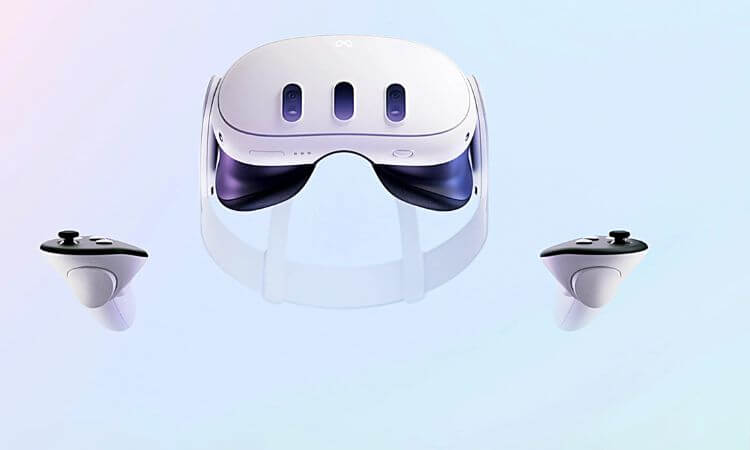
Meta—the company that rebranded from Facebook to emphasize its vision of the metaverse—is once again making waves in the tech world. Recent leaks have hinted at the arrival of a new VR headset, reportedly running on Horizon OS, Meta’s own virtual-reality operating system.
With the growing competition from Apple, Valve, and HTC, Meta seems to be preparing a headset that could redefine its place in the VR market. Here’s a detailed breakdown of what the leaks reveal, what’s been confirmed, and how this new headset might shape the future of immersive technology.
🔍 The Leak That Started It All
The leak first surfaced on tech forums and social media channels in early October 2025, where insiders claimed Meta was collaborating with hardware partners to develop a fresh line of headsets. Unlike the Meta Quest series, this device wouldn’t be a standalone effort—it would be part of a broader hardware ecosystem powered by Horizon OS.
Key Highlights from the Leak:
- The new headset will reportedly feature eye-tracking and face-tracking technology, similar to the Meta Quest Pro but improved for better latency and precision.
- It may include micro-OLED or quantum-dot LCD displays, which would provide brighter visuals and higher contrast levels than the current Quest 3.
- The chipset could be an upgraded version of Qualcomm’s Snapdragon XR2 Gen 3, enhancing performance and energy efficiency.
- A rumored partnership with ASUS under its Republic of Gamers (ROG) brand might bring a “Meta x ROG Tarius” headset—geared toward serious VR gamers.
Although none of these details have been officially confirmed, they align perfectly with Meta’s stated long-term goal: expanding Horizon OS across multiple devices, similar to how Android functions across brands in the smartphone world.
DO NOT MISS: Best Chromebooks for Work & Study in 2025
🧩 Meta’s Evolving VR Strategy
To understand why this leak matters, it’s important to look at where Meta stands today in the VR landscape.
The Current Lineup
- Meta Quest 3 (2023): Meta’s flagship standalone VR headset that improved comfort, mixed-reality capabilities, and overall performance.
- Meta Quest 3S (2024): A cost-effective version with slightly reduced specs to make VR accessible to a wider audience.
- Meta Quest Pro (2022–2025): Meta’s professional-grade headset, eventually discontinued due to low adoption and high price.
Over the last few years, Meta has shifted focus from premium, experimental devices to consumer-friendly and developer-ready platforms. The next VR headset could strike a balance between affordability and performance—appealing to both enthusiasts and casual users.
⚙️ What the Leak Suggests About the New Device
The details we have paint a picture of a headset that blends power, versatility, and openness.
1. Performance Boost
The rumored Snapdragon XR2 Gen 3 or a custom Meta chip could allow the headset to run graphically demanding VR games with minimal lag, even in standalone mode.
2. Mixed-Reality Integration
Eye-tracking and facial-tracking could open the door to realistic avatars and facial expression mapping—making Horizon Worlds and other VR meeting spaces feel more lifelike.
3. Improved Comfort and Design
Leaks suggest a lighter, slimmer design, moving away from the bulkiness that plagues most headsets. Meta’s focus seems to be on prolonged comfort for gaming, fitness, and work environments.
4. Horizon OS Expansion
Perhaps the biggest takeaway: Meta’s Horizon OS could soon power third-party headsets, just as Android runs on multiple phone brands. This move would make Meta less reliant on selling its own hardware while increasing the reach of its VR ecosystem.
MUST READ: Google AI Assistant Upgrade Announced at I/O 2025
🕹️ Industry Comparison: Where Meta Stands
Meta isn’t alone in this race. Other tech companies are also working to push VR and AR boundaries.
| Company | Upcoming Device | Rumored Features |
| Meta | Horizon OS-powered VR headset | Eye-tracking, micro-OLED, partner collaborations |
| Valve | “Steam Frame” / Deckard | Standalone or PC-connected VR, mass production expected 2025 |
| Apple | Vision Pro (launched 2024) | Ultra-high resolution, premium AR experience, $3,499 price |
| Sony | PSVR 3 (in development) | Better motion tracking and cross-platform support |
| HTC | Vive Focus 4 (rumored) | Lightweight, enterprise-focused VR solution |
From this comparison, Meta’s potential edge lies in its software flexibility and pricing strategy. Unlike Apple, which targets a luxury niche, Meta aims for mass adoption—making advanced VR accessible to a global audience.
📈 What This Means for the Future of VR
If Meta executes this plan successfully, it could redefine how VR ecosystems operate.
🌐 Becoming the “Android of VR”
By licensing Horizon OS to hardware partners, Meta could create a multi-brand ecosystem. This would not only accelerate app development but also ensure users have multiple headset choices—different designs, price ranges, and specs, all connected through one platform.
🎮 Strengthening the Gaming Market
Gamers could see major benefits from a high-performance headset co-developed with ASUS. A “Meta x ROG” headset could feature better refresh rates, minimal latency, and compatibility with both Meta’s app store and external gaming libraries.
🧠 Expanding Beyond Gaming
Meta’s goal is to merge entertainment, education, fitness, and productivity into a unified platform. The next headset could serve as a multipurpose device—ideal for fitness apps like Supernatural, virtual classrooms, and 3D design software.
⚠️ Challenges Ahead
Despite the excitement, Meta’s path won’t be easy.
- Heat & Power Management – Advanced sensors and displays can overheat small devices, which affects comfort and battery life.
- Software Optimization – Horizon OS must support both new and old hardware seamlessly, which requires ongoing updates.
- Competition – With Apple, Valve, and others innovating rapidly, Meta must maintain a balance between affordability and innovation.
- Consumer Trust – Data privacy remains a key concern, especially with eye-tracking and facial sensors that can collect personal data.
Still, Meta has an advantage: a strong community of developers and millions of existing Quest users who are likely to upgrade.
⏰ Possible Launch Timeline
While Meta hasn’t officially confirmed the headset, industry analysts predict an announcement during Meta Connect 2025 or early 2026. The company often teases prototypes months before full release, so we could see early demos or design leaks in late 2025.
Pricing remains speculative, but considering Meta’s strategy, it could range between $499 and $799, targeting a sweet spot between affordability and performance.
💬 Expert Take: Why This Matters
Industry experts believe Meta’s approach could dramatically impact VR adoption. By making Horizon OS an open platform, developers gain a larger potential audience, investors gain confidence, and users enjoy a diverse range of hardware options.
If the rumors are true, this could mark the beginning of a new era of cross-compatible VR, similar to how Android reshaped smartphones.
Conclusion
Whether you’re a gamer, a VR creator, or just a tech enthusiast, the leaked news of Meta’s new VR headset is undeniably exciting. The potential combination of next-gen hardware, open-platform software, and affordable pricing could make this the most influential headset Meta has ever released.
Until official confirmation arrives, all eyes are on Meta’s next move. One thing is certain: the future of virtual reality looks more connected, powerful, and accessible than ever before.
🔍 Frequently Asked Questions (FAQs)
1. What is Meta’s new VR headset?
Meta’s new VR headset is a rumored upcoming device reportedly powered by Horizon OS, Meta’s custom virtual reality platform. Leaks suggest it will feature advanced eye-tracking, face-tracking, and possibly micro-OLED displays for improved visuals.
2. When will Meta’s new VR headset be released?
While Meta has not officially confirmed a release date, industry insiders expect the headset to be announced in late 2025 or early 2026, potentially during the Meta Connect 2025 conference.
3. Will Meta’s new VR headset replace the Meta Quest 3?
No, it’s not expected to replace the Quest 3. Instead, the new headset will likely complement the existing lineup—positioned between the Quest 3 and more advanced professional models.
4. What makes the new Meta headset different from previous models?
The new headset could introduce eye and facial tracking, enhanced display quality, a lightweight design, and cross-brand Horizon OS compatibility, allowing other hardware makers like ASUS to join the ecosystem.
5. Is the leak about Meta’s VR headset confirmed?
As of now, Meta has not officially confirmed any details. All available information comes from industry leaks and insider reports, which should be taken as speculation until official announcements are made.
6. What is Horizon OS?
Horizon OS is Meta’s proprietary virtual reality operating system, designed to run its VR devices and social platforms like Horizon Worlds. The new headset leak suggests Meta plans to expand Horizon OS to third-party hardware, similar to how Android works on multiple phone brands.
7. Will the new headset support gaming?
Yes, gaming is expected to remain a key focus. If the rumored Meta x ASUS partnership proves true, the new headset could deliver enhanced gaming performance, reduced latency, and smoother visuals for VR titles.
8. How much will Meta’s new VR headset cost?
There’s no official pricing yet, but analysts predict it could launch between $499 and $799, balancing high performance with Meta’s goal of mainstream accessibility.
9. How does Meta’s upcoming headset compare to Apple Vision Pro?
Meta’s new headset is expected to be far more affordable than the Apple Vision Pro, focusing on VR and mixed reality rather than AR-only experiences. It may lack Apple’s luxury features but will appeal to a broader user base.
10. Why is this new VR headset important for Meta?
This headset could mark Meta’s shift from a hardware-first company to a platform-driven ecosystem, where multiple brands use Horizon OS to power diverse VR devices—potentially reshaping the entire industry.