
Table of Contents
iPhone 16 Pro Leak Reveals Stunning New Camera Upgrade
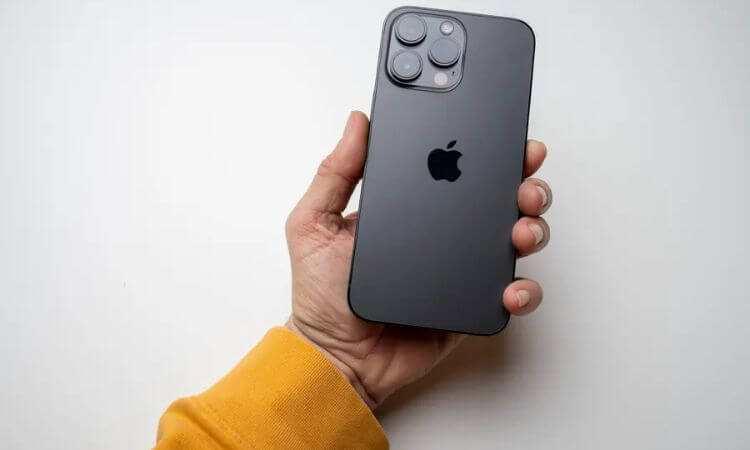
Apple’s iPhone 16 Pro — whether you worship the brand or enjoy poking holes in every leak — has been one of the most-talked-about phones in the rumor mill this year. The latest cascade of leaks paints a clear theme: Apple is pushing the iPhone’s camera farther into “pro” territory, not just with incremental tweaks but with hardware and software changes that could meaningfully change how people shoot, edit and store mobile photos and video.
Below I’ll walk through the most important camera upgrades revealed by leaks, explain what they mean in practice, compare them to previous iPhones and competitors, and finish with practical buying/advice FAQs and a short conclusion.
The headline upgrade: 5x periscope telephoto for the Pro (and why it matters)
One of the clearest and most repeated items across leaks is that the iPhone 16 Pro (and, in many reports, the entire Pro family) will finally get a periscope-style telephoto lens capable of roughly 5× optical zoom. That’s the sort of hardware Samsung and Huawei have used for years to give phones true long-range optical reach without a physically huge lens. If implemented well, a 5× periscope produces much cleaner, more detailed shots at medium tele distances (think portraits from farther away, better wildlife/architecture snaps) without relying on heavy digital cropping.
DO NOT MISS: Top 6 Books of 2025 You Need to Read Now
Why this matters: Apple has historically favored computational zoom (smart cropping from a strong main sensor) over adding many specialized zoom lenses. A real periscope lens changes the game: optical zoom preserves more detail and dynamic range than digital zoom, which makes photos and closer tele video dramatically better. For anyone who uses an iPhone as their main camera — travel photographers, content creators, real-estate shooters — the jump from 3×-ish or 2–3× equivalent to a true 5× optical zoom is visible and meaningful.
Bigger/better main sensor — a Sony refresh (improved low-light and dynamic range)
Multiple leaks point to Apple switching to an upgraded Sony sensor for the iPhone 16 Pro’s main camera (reports have named new Sony IMX-class chips and larger sensor sizes in rumor threads). The point of a refreshed main sensor isn’t just more megapixels; it’s improved light-gathering, better noise performance in low light, and improved dynamic range for highlights and shadows. That means cleaner night shots, nicer HDR performance, and more headroom for editing raw images.
In practical terms, an upgraded main sensor combined with Apple’s image pipeline (hardware + Apple’s computational photography) should yield richer detail in difficult lighting and smoother tone transitions in high-contrast scenes. That’s the sort of upgrade photographers will feel immediately.
Upgraded ultrawide (and better multi-lens parity)
Leaks also suggest Apple will upgrade the iPhone 16 Pro’s ultrawide to a higher-resolution sensor (some rumors suggest 48MP-class improvements over previous 12MP ultrawides). A more capable ultrawide matters because it’s used for landscapes, architecture, big group shots and as a creative tool; higher resolution means you can crop and reframe shot without losing too much detail. Having a 48MP ultrawide would also make multi-lens stitching and computational sharpening more effective, especially for pro edits and large-format prints.
Video: 4K @ 120fps, ProRes improvements, and external SSD recording
Leaks indicate Apple is expanding the phone’s video chops: 4K at 120 frames per second recording, ProRes support with the ability to offload to external SSDs, and generally smoother pro recording workflows are all on the rumor board. For creators, 4K120 offers buttery slow-motion in high resolution and gives a lot of flexibility in post-production. Offloading ProRes to an external SSD is a huge practical win — ProRes files are huge and moving them off-device while recording avoids choking the phone’s internal storage and helps professionals work on longer takes.
Apple adding a more robust pro-video workflow signals that it’s targeting filmmakers and creators who increasingly shoot entire projects on phones. Combined with better sensors and image processing, the 16 Pro would be stronger as a primary video tool.
A physical camera control button (and UI changes)
Beyond lenses and sensors, the leaks name a notable UX addition: a dedicated Camera Button on the side of the device. This is not just a gimmick — it’s leaked to support gestures, quick access to third-party camera apps, sliding for zoom/exposure control, and perhaps tactile control for stills/video toggles. A physical control option appeals to photographers who miss physical shutter dials and want one-handed tactile control for quick framing adjustments.
Why it’s interesting: smartphone UI has mostly been touchscreen-driven; a hardware-assigned camera control suggests Apple wants to make the 16 Pro feel more like a proper photographic tool — faster to operate in the moment, and friendlier to pro workflows (tripod + manual control, quick launches for Capture One/Filmic Pro-style apps).
Software: JPEG-XL, better ML image processing, and improved codecs
Leaked feature lists have included support for modern formats like JPEG-XL, improved machine-learning based image processing for skin tones and noise reduction, and better in-camera editing/paused recordings. JPEG-XL gives better compression than JPEG with similar visual quality — handy when phones are capturing huge high-res images. Improved ML for skin tones and computational denoising is Apple continuing its push toward more “true-to-life” yet flattering photos, especially in portraits and tricky lighting.
So — real-world impact: what you’ll actually notice
- Cleaner telephoto shots: At 5× optical you won’t be relying on digital upscaling as much; details and dynamic range at range will improve.
- Better low-light main photos: New sensor + processing = less noise, better highlight control, more usable shadows.
- Higher-res ultrawide: Useful if you crop or want large prints of wide-angle shots.
- Pro video workflow: 4K120 + ProRes offload makes phone-based professional shoots more practical.
- Faster capture: Physical camera button + software toggles reduces fumbling and lets you catch decisive moments faster.
These changes collectively push the iPhone from a “great camera phone” towards “a phone that can replace a lot of dedicated cameras for many creators.”
Potential downsides and what to watch for
- Battery and heat: Higher-frame-rate 4K120 recording and heavy sensor processing can increase power draw and heat. Users may see reduced battery life during heavy camera/recording sessions.
- File sizes: Even with better compression formats, shooting ProRes or 48MP images will consume storage quickly — external SSD workflows help, but internal storage choices matter more than ever.
- Price: If Apple keeps the Pro badges aligned with bigger hardware differences, there’s a chance pricing will climb for the top-tier Pro models. Reviews so far praised the 16 Pro’s improvements but flagged price and weight trade-offs.
- Software polish: Hardware upgrades only shine when the software — image processing pipelines, third-party app support, and thermal management — are tuned. Early reviewers might find kinks that Apple will address with updates.
How this compares to competitors
Samsung and Google have offered periscope telephoto cameras and advanced optical zoom for a while, and some Android flagships have pushed ultrawide/telephoto sensor sizes and raw workflows. The iPhone’s advantage historically has been its image pipeline: Apple’s balance of sensor, processing and color science. These leaks suggest Apple is leaning more on hardware parity (periscope, bigger ultrawide) while maintaining its software strengths — which means the iPhone could close the remaining gaps while preserving the look and reliability many users prefer.
Verdict: should you upgrade? (short practical guide)
- If you’re a casual user who mostly posts to social or takes snapshots: you’ll love the improved low-light and telephoto, but it’s not required unless your current phone is 3+ years old.
- If you’re a mobile-first creator who shoots photos/videos for publication: the 16 Pro’s rumored hardware and pro workflows (4K120, ProRes offload, periscope) make it a compelling upgrade.
- If you own last-gen Pro Max: evaluate telephoto parity and whether new software features matter to your workflow; you may already have many strengths.
- If storage & budget are major concerns: watch Apple’s storage tiers and how external recording workflows are priced/implemented — the best camera experience often depends on the ecosystem (accessories, SSDs, adapters).
FAQs
Q: Are these upgrades confirmed or just rumors?
A: As of the latest leaks and reports, these are strong, repeatedly surfaced rumors from supply-chain insiders and reputable tech outlets — not an Apple announcement. Expect confirmation at Apple’s official event or during product pages and reviews.
Q: Will all iPhone 16 models get the 5× periscope camera?
A: Leaks vary — some suggest only Pro/Pro Max variants, others suggest Apple may standardize certain features across Pro models. Historically, Apple has split camera hardware between base and Pro models, so the periscope is most likely to appear on Pro variants.
Q: How much better will night photos be?
A: Expect improved noise control and dynamic range thanks to a larger/upgraded sensor and computational processing. The difference is typically most noticeable in very low light or high-contrast scenes, where shadow detail and highlight preservation improve.
Q: Will this affect battery life?
A: Heavy camera use (4K120, long ProRes recordings) will use more battery and could cause more heat; Apple usually offsets this with efficiency gains in the chipset, but real-world results depend on usage and software optimization.
Q: When will the iPhone 16 Pro be released and how much will it cost?
A: Apple traditionally announces iPhones in September with availability in weeks following. Pricing is speculative until Apple confirms; expect similar Pro pricing bands unless Apple changes its strategy. Keep an eye on official Apple announcements for exact dates and prices.
Conclusion
The leaks around the iPhone 16 Pro point to a deliberate, multi-front push to make the iPhone not only a “great camera phone” but a serious tool for creators. A 5× periscope telephoto, an upgraded Sony main sensor, higher-resolution ultrawide, 4K120 video with ProRes external recording, and a tactile camera button would collectively deliver tangible benefits — better long-range detail, improved low-light performance, more flexible ultra-wide shots, and stronger pro-video workflows.
Apple’s strength has never been raw specs alone — it’s the integration of hardware, software, and ecosystem. If the leaks are accurate and Apple nails the software side, the iPhone 16 Pro could be the model that convinces more professionals to treat an iPhone as their primary production device. For everyday users it’s an excellent evolution; for creators it’s potentially a game-changer.